Do You Need a Sleep Study Referral in Australia?

The right route depends on what they are trying to achieve: fast access, lowest out-of-pocket cost, specialist oversight, or a particular test type.

Do they always need a referral for a sleep study in Australia?

A sleep study referral is not always required. Many private providers accept self-referrals for home sleep tests and, in some cases, in-clinic studies.

However, a referral is typically needed if they are seeking Medicare rebates, booking an appointment with a specialist sleep physician, or accessing a public hospital sleep service. Requirements vary between clinics, so it’s important to check the provider’s booking policies before assuming they can proceed without seeing a GP.

Can they book a home sleep test without seeing a GP first?

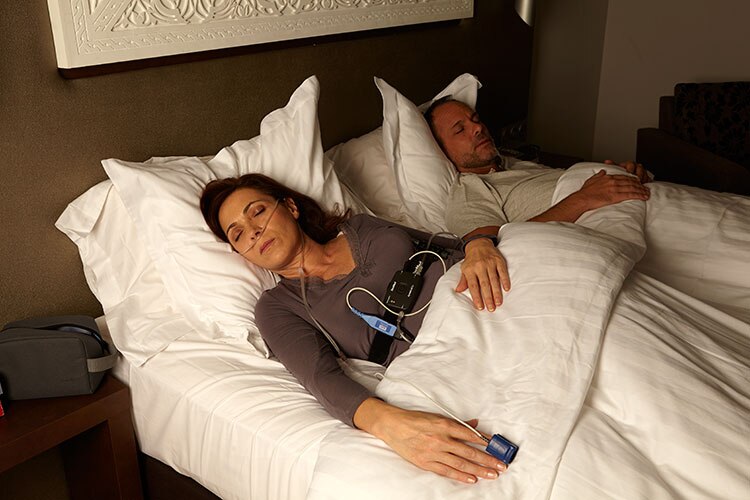
Yes, many Australians can book a home sleep test directly with a private clinic. This is often the quickest path for people with straightforward symptoms like loud snoring, witnessed pauses in breathing, or excessive daytime sleepiness.

That said, a GP visit can still be useful if they have other medical issues, take sedating medicines, or have safety-sensitive work. Some providers may also require a short health screening first.

When is a GP referral effectively necessary?

A GP referral is effectively necessary when cost and care pathways matter. If they want Medicare benefits, a referral is usually part of the process, and it may determine whether they see a specialist or go straight to testing.

A referral is also commonly needed if they are being managed through a public hospital, have complex symptoms, or need coordination with other care. For many, the GP is the safest “gatekeeper” even when self-referral is possible.

Does Medicare require a referral for rebates on sleep studies?

Often, yes. Medicare eligibility can depend on the type of test, the provider, and whether the service is arranged under the right clinical pathway, which commonly includes a GP referral and, in some cases, specialist involvement.

Because Medicare rules and item numbers can be applied differently by different services, they should ask the clinic directly what is required for rebates and what paperwork is needed. If they are cost-sensitive, they should confirm expected out-of-pocket fees in writing.

Do private health insurers require a referral?

Sometimes. Private health insurers may ask for a referral for in-hospital sleep studies or when a specialist consultation is billed under hospital cover.

Policies vary widely, including waiting periods and exclusions. They should check their level of cover, whether the clinic is considered in-hospital or outpatient, and whether pre-approval is required. Getting this wrong can turn a “covered” test into a large out-of-pocket bill.

What symptoms should prompt them to ask for a referral?

They should consider asking for a referral if symptoms are persistent, worsening, or safety-related. Common reasons include loud snoring, gasping or choking during sleep, witnessed breathing pauses, morning headaches, and severe daytime sleepiness.

They should also seek medical input sooner if they have high blood pressure, atrial fibrillation, type 2 diabetes, obesity, or depression, as sleep apnoea can overlap with these. If they have nodded off while driving, they should treat it as urgent.

Is a referral more important for in-lab sleep studies than home tests?

Yes, usually. Home sleep tests are frequently available via self-referral in the private system, but in-lab studies are more often tied to specialist assessment, hospital settings, or more complex clinical questions.

In-lab testing may be recommended when home testing is inconclusive, when other sleep disorders are suspected, or when they have conditions that complicate breathing during sleep. A referral helps ensure the right test is chosen first time.

Can they go straight to a sleep specialist without a GP referral?

They can, but it may limit NHS benefits. Many specialists prefer or require a GP referral because it provides medical background, clarifies the reason for review, and supports rebate-eligible billing.

If they self-refer to a specialist clinic, they should ask whether they can still obtain a GP referral dated appropriately for NHS purposes. They should also ask what documents help, such as medication lists, past test results, and partner observations.

What should they expect their GP to do before referring them?

A GP will usually take a sleep history, ask about snoring and breathing pauses, review daytime symptoms, and assess risk factors. They may use screening tools and check blood pressure, weight, neck circumference, and relevant medical history.

They may also rule out other causes of fatigue, such as iron deficiency, thyroid issues, mood disorders, or medication effects. Then they can refer for a sleep study, a sleep physician, or both, depending on the likely diagnosis.

See Also : Home Sleep Study Sydney: Fast and Comfortable Testing Options

What happens if they do a sleep study without a referral?

They can still get useful results, especially if the provider includes clinical review. Many private services will generate a report and recommend next steps.

The main trade-offs are usually financial and continuity of care. They may pay more out of pocket, and their GP may need the report to coordinate treatment. They should ensure the provider shares results with their GP if they want ongoing management and safe follow-up.

Sleep Study Referral

How can they choose the right referral pathway for their situation?

They should match the pathway to their priorities. If speed matters and symptoms are classic for obstructive sleep apnoea, a reputable home sleep test via a private clinic may be sufficient.

If they want NHS support, have complex health problems, or suspect something beyond snoring and apnoea, starting with a GP referral is often the better choice. When in doubt, they should ask three practical questions: total cost, who interprets the study, and who provides follow-up treatment.

What is the simplest answer most Australians need?

Most Australians do not need a referral to book a private home sleep test, but they often need a GP referral to access NHS rebates, public services, or specialist-led pathways. If they want the lowest-risk, most coordinated route, they should start with their GP and take the referral option even if self-referral is available.

FAQs (Frequently Asked Questions)

Do Australians always need a GP referral to book a sleep study?

No, Australians do not always need a GP referral to book a sleep study. Many private sleep clinics accept self-referrals for home sleep tests and some in-clinic studies. However, a GP referral is usually required to access Medicare rebates, specialist sleep physician appointments, or public hospital services.

Can I book a home sleep test directly without seeing my GP first?

Yes, many Australians can book a home sleep test directly with private clinics, especially if they have straightforward symptoms such as loud snoring, witnessed breathing pauses, or excessive daytime sleepiness. Nevertheless, visiting a GP can be beneficial if you have other medical conditions, take sedating medications, or perform safety-sensitive work.

When is a GP referral necessary for a sleep study in Australia?

A GP referral is effectively necessary when cost and care pathways matter. If you want Medicare benefits or are being managed through public hospital services, require specialist oversight, or have complex symptoms needing coordinated care, a GP referral is essential. It also helps ensure the appropriate testing and follow-up treatment.

Does Medicare require a GP referral to provide rebates for sleep studies?

Often, yes. Medicare rebates for sleep studies typically depend on having the service arranged under the correct clinical pathway, which commonly includes a GP referral and sometimes specialist involvement. Requirements can vary by provider and test type; therefore, it’s important to confirm with the clinic beforehand.

Do private health insurers require referrals for sleep studies?

Sometimes. Private health insurers may require referrals for in-hospital sleep studies or specialist consultations billed under hospital cover. Policies vary widely regarding waiting periods and exclusions. It’s crucial to check your specific insurance coverage and whether pre-approval or referrals are needed to avoid unexpected out-of-pocket costs.

What symptoms should prompt me to seek a GP referral for a sleep study?

You should consider seeking a GP referral if you experience persistent or worsening symptoms such as loud snoring, gasping or choking during sleep, witnessed breathing pauses, morning headaches, severe daytime sleepiness, or if you have related health issues like high blood pressure, atrial fibrillation, type 2 diabetes, obesity, or depression. If you’ve nodded off while driving, seek urgent medical advice.
Continue Reading →

Adelaide Sleep Test: Evaluating Your Sleep Patterns

We all know that a good night’s sleep is essential for our overall well-being, but have you ever wondered just how important sleep really is? In this article, we will explore the significance of sleep, the consequences of poor sleep, and delve into the science behind sleep patterns. We will also introduce you to the Adelaide Sleep Test and guide you through the process of evaluating your sleep patterns using this innovative test. Finally, we will discuss how to interpret the results of your sleep test and gain a deeper understanding of your sleep patterns.

Introduction to the Adelaide Sleep Test

The sleep study Adelaide is a comprehensive evaluation designed to assess and analyze your sleep patterns. It provides valuable insights into the quality and quantity of your sleep, helping identify potential sleep disorders and guiding personalized treatment plans. Let’s explore what the Adelaide Sleep Test entails and how it can benefit you.

Quality sleep is essential for overall health and well-being. The Adelaide Sleep Test plays a crucial role in evaluating your sleep health and addressing any issues that may be affecting your rest. By undergoing this test, you are taking a proactive step towards improving your sleep quality and overall quality of life. You can visit https://resp-o-rator.com/sleep-test-australia-assessing-your-sleep-health to get more about sleep test Australia.

What is the Adelaide Sleep Test?

The Adelaide Sleep Test is a non-invasive diagnostic procedure that monitors your sleep patterns using advanced technology. It involves wearing a small device overnight that records various physiological parameters such as brain waves, eye movements, heart rate, and breathing patterns. This data is then analyzed by sleep specialists to determine the quality and characteristics of your sleep.

During the test, you are encouraged to follow your regular bedtime routine to ensure that the data collected is representative of your typical sleep patterns. The device is comfortable to wear and does not interfere with your sleep, allowing for a natural and uninterrupted monitoring process.

The Purpose of the Adelaide Sleep Test

The primary goal of the Adelaide Sleep Test is to identify any underlying sleep disorders or abnormalities that may be impacting your sleep quality. By pinpointing the specific issues, healthcare professionals can develop tailored treatment plans to address your unique sleep needs. The test results also provide valuable information for monitoring the effectiveness of interventions and making necessary adjustments.

Furthermore, the Adelaide Sleep Test can help you gain a better understanding of your sleep habits and how they may be affecting your daily life. By uncovering potential sleep disorders, you can take proactive steps to improve your sleep hygiene and overall well-being. Investing in your sleep health through the Adelaide Sleep Test is an investment in your long-term health and quality of life.

Understanding the Importance of Sleep

Getting quality sleep is crucial for our physical and mental health. During sleep, our bodies undergo various restorative processes that help regulate important bodily functions. Adequate sleep promotes brain function, improves memory and learning, and supports emotional well-being. It also plays a vital role in maintaining a healthy immune system and promoting overall longevity.

Furthermore, sleep is essential for the consolidation of memories and the processing of information gathered throughout the day. While we sleep, our brains categorize and store newly acquired knowledge, making it easier for us to recall and utilize that information in the future. This cognitive function is crucial for learning and problem-solving skills.

The Role of Sleep in Health and Wellness

Sleep is not just a time of rest; it is a time of active healing and rejuvenation. When we sleep, our bodies repair damaged tissues, synthesize essential proteins, and produce hormones that regulate growth and appetite. Inadequate sleep can lead to a variety of health issues, including cardiovascular problems, obesity, diabetes, and mental health disorders like depression and anxiety.

Moreover, sleep plays a crucial role in regulating our metabolism and energy levels. Lack of sleep can disrupt the balance of hormones that control appetite, leading to increased cravings for unhealthy foods and potential weight gain. Additionally, inadequate sleep can weaken the body’s immune response, making us more susceptible to infections and illnesses.

Sleep Test

The Consequences of Poor Sleep

When we consistently fail to get enough quality sleep, it can have significant negative effects on our daily lives. Lack of sleep can impair cognitive function, decrease productivity, and negatively impact our mood and emotional well-being. It can also increase the risk of accidents and injuries due to decreased alertness and impaired judgment.

In addition, chronic sleep deprivation has been linked to an increased risk of developing chronic conditions such as heart disease, stroke, and type 2 diabetes. The cumulative effects of ongoing sleep deficiency can have long-term consequences on both our physical and mental health, highlighting the critical importance of prioritizing quality sleep in our daily routines.

The Science Behind Sleep Patterns

Understanding how sleep patterns work is essential for evaluating and improving our sleep quality. Sleep consists of different stages that collectively make up one sleep cycle. Each cycle typically lasts around 90 minutes, and throughout the night, we go through several cycles.

During sleep, our bodies undergo essential processes that help us rest and rejuvenate for the next day. It’s not just about closing our eyes and drifting off; our brains are actively working to regulate hormones, repair tissues, and consolidate memories. The intricate dance of neurotransmitters and neural pathways during sleep is a fascinating aspect of our body’s functioning.

The Sleep Cycle Explained

The sleep cycle consists of four stages: NREM (non-rapid eye movement) stages 1, 2, and 3, and REM (rapid eye movement) sleep. During NREM sleep, our body relaxes and prepares for deep sleep. As we progress through the stages, our brain waves slow down, and our body becomes increasingly relaxed. REM sleep, also known as dream sleep, is characterized by rapid eye movements and heightened brain activity.

Each stage of the sleep cycle plays a crucial role in ensuring that we wake up feeling refreshed and alert. NREM stages help with physical restoration, while REM sleep is essential for cognitive functions and emotional processing. The intricate interplay between these stages is what contributes to a restful night’s sleep.

How Sleep Patterns Affect Your Day

The quality and timing of our sleep patterns can significantly impact our daytime functioning. If our sleep is disrupted or inconsistent, we may experience excessive daytime sleepiness, difficulty concentrating, and decreased productivity. Understanding our sleep patterns can help identify potential sleep disorders and guide us towards better sleep habits.

Moreover, our circadian rhythm, often referred to as our internal body clock, plays a vital role in regulating our sleep-wake cycle. Disruptions to this rhythm, such as jet lag or shift work, can throw off our sleep patterns and lead to a host of health issues. By aligning our sleep schedule with our circadian rhythm, we can optimize our restorative sleep and overall well-being.

Sleep Test

The Process of the Adelaide Sleep Test

Before undergoing the Adelaide Sleep Test, it is essential to prepare properly and understand what to expect during the procedure. This section will guide you through the necessary steps to ensure a successful and accurate evaluation of your sleep patterns.

Preparing for the Test

Prior to the Adelaide Sleep Test, it is advisable to follow specific instructions provided by your healthcare provider. These may include avoiding caffeine and stimulants, refraining from napping, and abstaining from alcohol or heavy meals close to bedtime. It is also important to create a sleep-friendly environment, ensuring your bedroom is cool, dark, and quiet.

What to Expect During the Test

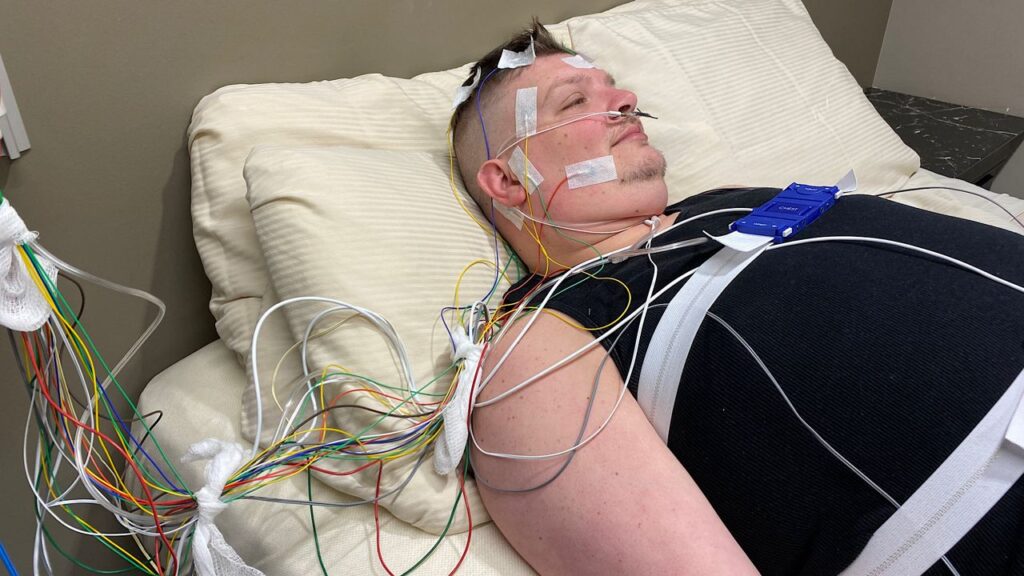
On the day of the Adelaide Sleep Test, you will be asked to arrive at a designated sleep clinic or facility. A trained technician will apply sensors and electrodes to various parts of your body, including your scalp, face, chest, and legs. These sensors are painlessly attached and are designed to monitor your sleep parameters throughout the night. Once the setup is complete, you can relax and try to maintain your usual sleep routine as much as possible.

Interpreting Your Adelaide Sleep Test Results

Once you have undergone the Adelaide Sleep Test, the collected data will be analyzed by sleep specialists. This section will provide you with an overview of how to interpret and understand the results of your sleep test, allowing you to gain valuable insights into your sleep patterns.

Understanding Your Sleep Test Report

Your sleep test report will provide a detailed analysis of various sleep parameters, including sleep latency, total sleep time, sleep efficiency, and the presence of specific sleep stages like REM and NREM sleep. Sleep specialists will interpret these parameters and identify any abnormalities or patterns that may suggest sleep disorders such as sleep apnea, insomnia, or restless legs syndrome.

The Meaning of Different Sleep Patterns

Each individual has a unique sleep pattern, and understanding the significance of various sleep stages can help make sense of your sleep test results. For example, an increased amount of REM sleep may indicate a potential medical condition, while …

Continue Reading →