Aerobika OPEP Guide 2026: Clinical Benefits for COPD

Chronic respiratory conditions like Chronic Obstructive Pulmonary Disease (COPD) and bronchiectasis present a significant health burden in Australia. Effective mucus clearance is often the “missing link” in maintaining lung function and preventing hospital admissions.

The Aerobika Oscillating Positive Expiratory Pressure (OPEP) device has emerged as a gold-standard, drug-free intervention. In this comprehensive 2026 guide, we explore the clinical evidence, including how it reduces COPD exacerbations by 28%, and provide a step-by-step framework for patients and clinicians to optimize airway clearance.

See more: Home Sleep Study Sydney: Fast and Comfortable Testing Options

What is the Aerobika OPEP Device?

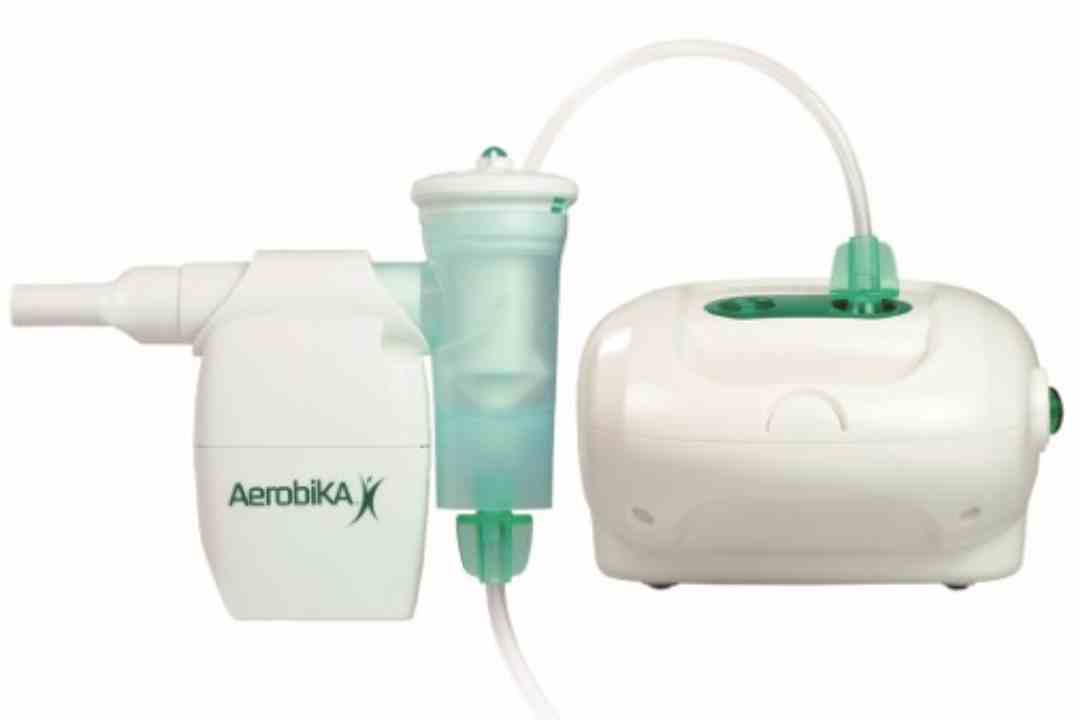
The Aerobika OPEP is a handheld, drug-free medical device designed to assist in the mechanical clearance of excess mucus from the lungs. It is particularly effective for patients with “wet” lung conditions where secretions obstruct the airways.

Unlike standard PEP devices, the Aerobika uses a unique pressure-oscillation mechanism. When you exhale into the device, it creates pulses of resistance (oscillations). These pulses serve two primary functions:

  1. Airway Stenting: The positive pressure keeps the smaller airways open, allowing air to get behind the mucus.
  2. Vibrational Shearing: The oscillations create high-frequency vibrations that thin and “shake” mucus free from the airway walls, moving it toward the larger airways where it can be coughed out easily.

Clinical Benefits: Why the Aerobika OPEP Ranks for COPD and Bronchiectasis

Clinical research has solidified the Aerobika OPEP’s role in modern respiratory management. In Australia, where COPD affects roughly 1 in 13 Australians aged 40 and over, these statistics are vital for long-term health outcomes.

1. 28% Reduction in COPD Exacerbations

A landmark real-world study demonstrated that using the Aerobika OPEP device reduces moderate-to-severe COPD flare-ups by 28% within 30 days of initial use following a hospital discharge. This is critical because 1 in 5 patients hospitalized for an exacerbation are often readmitted within a month.

2. Improved Lung Ventilation

Using hyperpolarized 3He MRI imaging, researchers have observed significant improvements in gas distribution throughout the lungs after 3–4 weeks of use. This suggests that the device doesn’t just clear mucus; it actively helps “re-open” areas of the lung that were previously under-ventilated.

3. Synergistic Effect with Nebulisers

The Aerobika is uniquely designed to be used simultaneously with certain nebulisers (like the AeroEclipse* BAN). This dual therapy allows medication to penetrate deeper into the opened airways, potentially increasing the efficacy of bronchodilators or saline treatments while reducing overall therapy time.

4. Enhanced Quality of Life

Patients reported significant improvements in:

  • Exercise Tolerance: Increased distance in the 6-minute walk test (6MWD).
  • Reduced Breathlessness: Lower scores on the St. George’s Respiratory Questionnaire (SGRQ).
  • Symptom Control: Fewer paroxysmal coughing fits throughout the day.

How to Use the Aerobika OPEP: A Step-by-Step Process

Proper technique is essential for achieving the therapeutic goals of OPEP therapy. Follow this clinician-approved framework:

Step 1: Preparation and Setting

Ensure your hand does not block the exhalation path on the back of the device. Set the Resistance Indicator (a slider on the side) to the level prescribed by your physiotherapist. There are five settings; higher resistance provides more intense oscillations.

Step 2: Inhalation

  • Sit upright with your shoulders relaxed.
  • Take a deep breath in through your nose, slightly deeper than a normal breath.
  • Hold your breath for 2 to 3 seconds. This allows the air to distribute evenly throughout the lungs (collateral ventilation).

Step 3: Active Exhalation

  • Place the mouthpiece in your mouth and create a tight seal with your lips.
  • Exhale actively but not forcefully.
  • Your exhalation should last roughly 3 to 4 times longer than your inhalation.
  • Keep your cheeks flat; you should feel the “vibrations” in your chest, not your face.

Step 4: The Cycle

Repeat for 10 to 20 breaths. After the cycle, perform 2–3 “huff coughs” (exhaling forcefully with an open mouth, like fogging up a mirror) to move the loosened mucus out of the throat.
Aerobika Device

Maintenance and Hygiene Standards

To prevent lung infections, specifically for patients with bronchiectasis or cystic fibrosis, strict cleaning is required.

FrequencyActionMethod
After Each UseBasic WashDisassemble into 4 parts. Wash in warm soapy water and air dry.
DailyDisinfectionTop-rack dishwasher safe OR soak in 1:3 vinegar/water solution for 1 hour.
WeeklyDeep SterilisationBoil disassembled parts for 5 minutes (using a rack to avoid the hot base).

Note: Replace the device every 12 months for optimal performance.


Common Mistakes and How to Avoid Them

  • Blowing Too Hard: Excessive force can cause airway collapse. Aim for “active” rather than “forced” exhalation.
  • Puffing the Cheeks: This absorbs the vibrations. Keep your cheeks firm to ensure the energy reaches your lungs.
  • Ignoring the Resistance Setting: Starting too high can be fatiguing. Always consult a physiotherapist to find your optimal “sweet spot.”
  • Skipping the Huff Cough: The device loosens the mucus, but the huff cough is the “vehicle” that removes it.

Internal Linking & References

Internal Linking Suggestions:

  • Airway Clearance Techniques for Bronchiectasis
  • Managing COPD Flare-ups in Winter
  • The Role of Physiotherapy in Australian Respiratory Care

Authoritative External References:

  • Lung Foundation Australia (COPD-X Guidelines)
  • Thoracic Society of Australia and New Zealand (TSANZ)

FAQ: Frequently Asked Questions

What is the best resistance setting for Aerobika?

There is no “universal” setting. Your physiotherapist will determine the setting (1–5) based on your lung capacity and the viscosity of your mucus.

Can I use the Aerobika if I don’t have mucus?

While primarily for mucus clearance, the positive pressure can help with lung expansion in “dry” COPD cases, though its primary clinical benefit is for sputum producers.

Does the Aerobika require a prescription in Australia?

No, it is available over-the-counter and through respiratory specialists, but it is highly recommended to use it under the guidance of a healthcare professional.

How often should I use the device?

Typically, twice daily (morning and evening) is the standard. During a chest infection or exacerbation, your doctor may increase this to 4 times daily.

Is Aerobika better than the Flutter or Acapella?

The Aerobika is not position-dependent (it works while sitting, standing, or lying down) and has stronger clinical data regarding the reduction of hospital readmissions compared to older OPEP models.


Conclusion

The Aerobika OPEP device is a cornerstone of modern respiratory management in 2026. By reducing COPD exacerbations by 28% and providing a drug-free pathway to clearer lungs, it empowers patients to take control of their chronic conditions. Whether you are managing bronchiectasis or seeking to prevent the next COPD flare-up, the key to success lies in consistent use and proper technique.
Continue Reading →

Home Sleep Study Sydney: Fast and Comfortable Testing Options

For many, it is the simplest next step when loud snoring, choking at night, or heavy daytime tiredness starts to feel “normal”.

What is a home sleep study, and what does it test for?

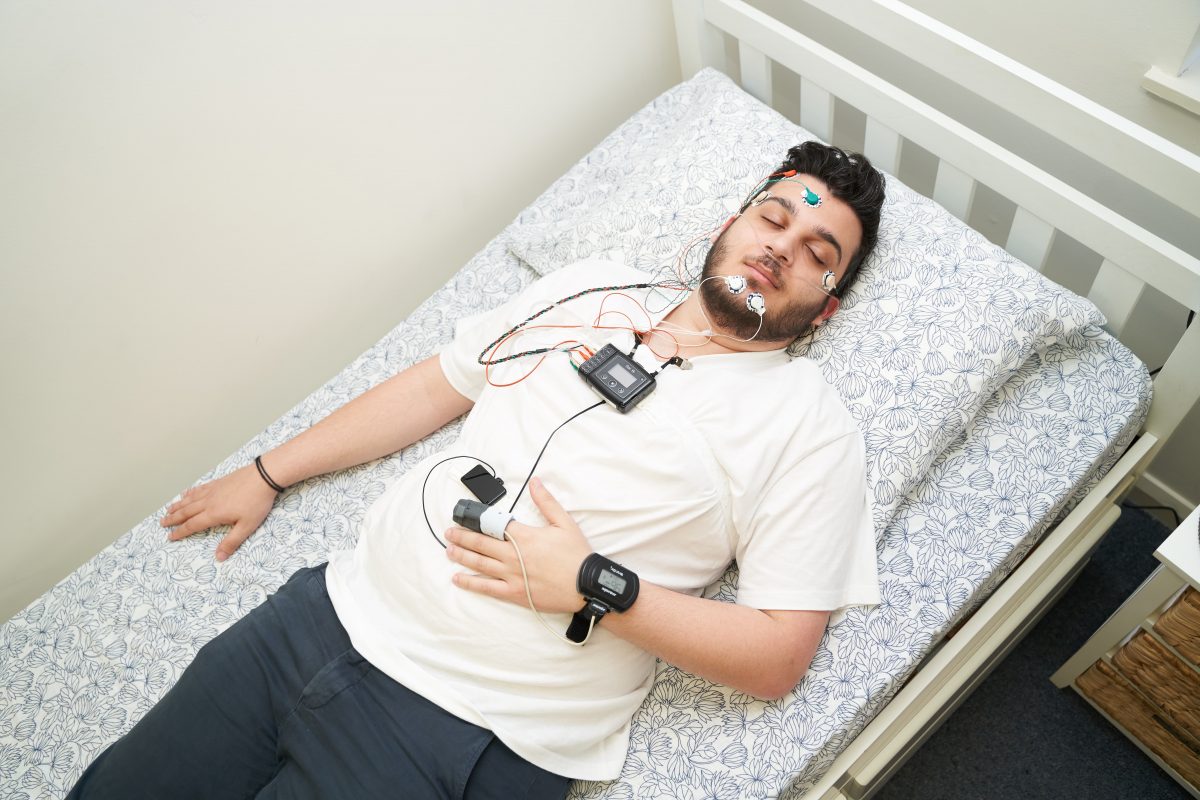
A home sleep study Sydney is an overnight test done in someone’s own bed using a small, portable monitoring device. It is mainly used to assess breathing-related sleep disorders, especially obstructive sleep apnoea (OSA).

Most home studies track airflow, oxygen levels, breathing effort, heart rate, and body position. The results help clinicians estimate how often breathing reduces or stops during sleep and whether oxygen drops into an unsafe range.

Who in Sydney should consider a home sleep study?

They should consider it if symptoms suggest sleep apnoea or another breathing-related sleep disorder. Common triggers include loud snoring, witnessed pauses in breathing, gasping, morning headaches, and persistent daytime sleepiness.

It is also commonly considered for people with high blood pressure, type 2 diabetes, atrial fibrillation, or weight gain where sleep apnoea could be contributing. If their job involves driving, machinery, or safety-critical work, testing can be particularly important.

How fast can they get tested and receive results?

Many providers in Sydney can organise home sleep testing within days, sometimes even same week, depending on referrals and device availability. Because it avoids lab scheduling, it is often quicker than an in-clinic study.

Results time varies by clinic workflow. Some services provide a report within a few business days after the device is returned, while others may take longer if a specialist review and appointment are needed.

What happens during the test at home?

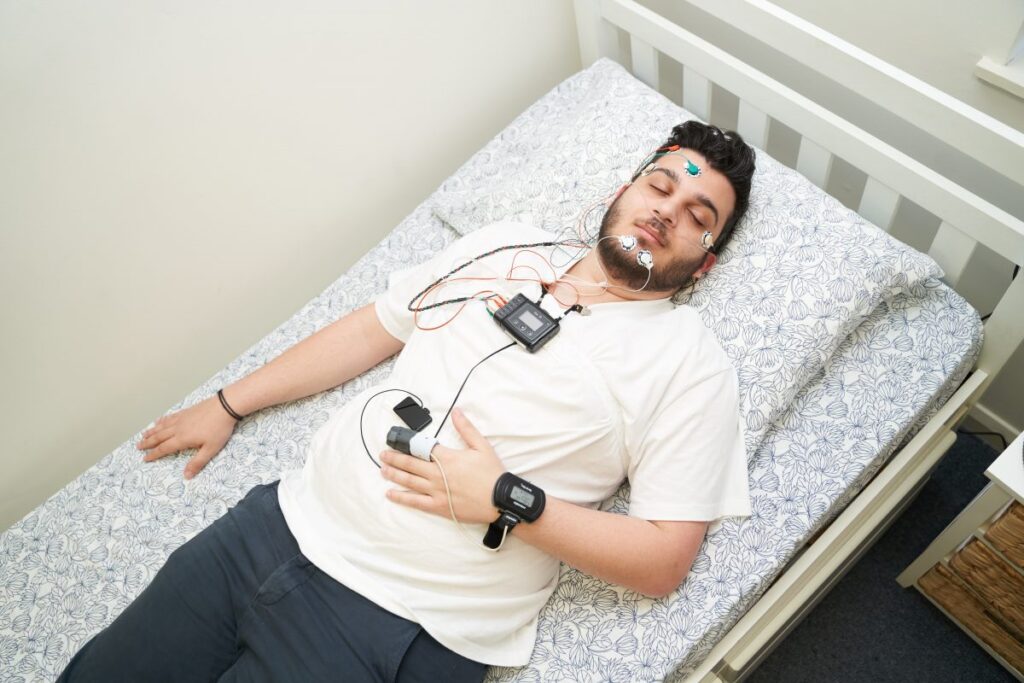
They are typically shown how to apply the sensors or given written and video instructions. The setup is designed to be simple; then they sleep as normally as possible while the device records data.

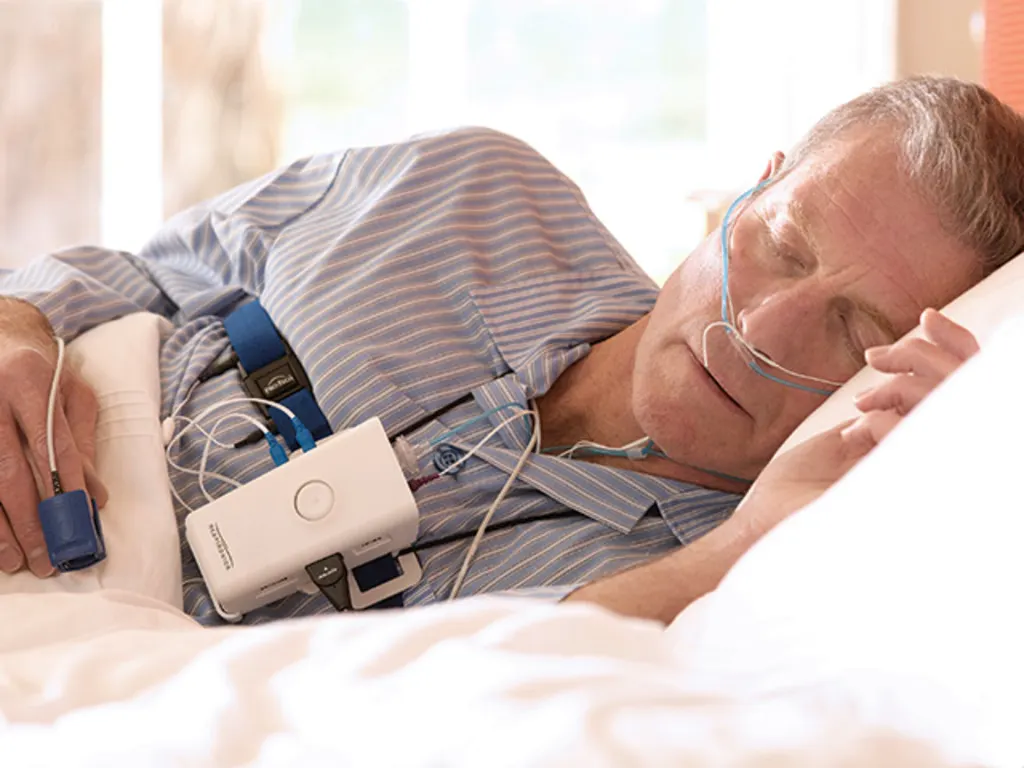
In most cases, they will wear a finger probe for oxygen, a nasal cannula for airflow, and a chest or abdomen belt for breathing effort. In the morning, the device is removed and returned for analysis.

Is a home sleep study accurate enough compared with a sleep lab?

For suspected obstructive sleep apnoea in adults, home sleep studies can be highly useful and clinically accepted. They are especially effective when the likelihood of moderate to severe OSA is high and symptoms are clear.

A sleep lab may still be preferred when the diagnosis is uncertain or when other conditions are suspected, such as complex insomnia, parasomnias, narcolepsy, or certain neurological or heart-related sleep issues. If the home test is negative but symptoms are strong, clinicians may recommend further testing.

What makes home testing more comfortable?

They can sleep in their own bed, follow their usual routine, and avoid the stress of an unfamiliar environment. For many people, that alone improves sleep quality on the test night.

Home testing can also feel less intrusive. While sensors are still worn, there are fewer wires than a full laboratory polysomnography, and there is no need to travel at night or arrange overnight supervision.

How do they prepare for a home sleep study night?

They should aim for a typical night so the results reflect normal sleep. That usually means following their usual bedtime and avoiding major schedule changes.

Clinics commonly advise limiting alcohol, avoiding naps late in the day, and keeping caffeine earlier than usual. They should also confirm with the provider whether regular medications should be taken as normal, as stopping medicines without guidance can be unsafe.

What do the results actually show, and what do they mean?

The report usually includes an index of breathing events per hour, oxygen saturation trends, and snoring or position effects if measured. This helps estimate severity and guide next steps.

If obstructive sleep apnoea is found, the results may be described as mild, moderate, or severe. Clinicians also look at oxygen lows and total time spent below certain oxygen thresholds, as that can influence urgency and treatment decisions.

What are the common next steps after a positive test?

If the test indicates sleep apnoea, they are usually offered a treatment plan based on severity, symptoms, and health risks. Many people are assessed for CPAP therapy, which keeps the airway open with gentle air pressure.

Other options may include a mandibular advancement splint fitted by a qualified dental sleep provider, positional therapy for back-sleeping apnoea, weight and lifestyle support, and management of nasal obstruction. Follow-up is important because comfort, mask fit, and adherence often determine success.

Home Sleep Study Sydney

How do they choose a home sleep study provider in Sydney?

They should choose a provider that offers clear clinical oversight, not just a device drop-off. A good service explains what the test can and cannot diagnose, how results are interpreted, and what support is available after the report.

It also helps to check practical details: turnaround time, whether a GP referral is required, how the device is collected or posted, and whether a consultation with a sleep physician is included. Transparent pricing and access to treatment pathways are often signs of a well-run service. Check out more about the need of sleep study referral in Australia.

What should they do if the home test is “normal” but symptoms continue?

They should not ignore ongoing symptoms, because a single night of data may not capture every issue. Some people sleep differently on the test night, and some sleep disorders are not well assessed by home studies.

If tiredness, choking sensations, or loud snoring persist, clinicians may recommend repeating the study, switching to a laboratory study, or investigating other causes such as insomnia, restless legs, medication effects, depression, thyroid issues, or chronic nasal blockage.

How can they make the test night more successful?

They should set the device up earlier in the evening so there is no rush at bedtime. A quick check that sensors are secure can prevent data loss and the need to repeat the study.

It also helps to keep the bedroom environment normal: comfortable temperature, usual pillow setup, and minimal disruptions. If they wake in the night, they should avoid removing sensors unless instructed, then try to return to sleep as usual.

What is the simplest takeaway for people considering home sleep testing in Sydney?

A home sleep study in Sydney is often the fastest, most comfortable way to check for obstructive sleep apnoea. It can move them from “something feels off” to a clear plan, without the delay and hassle of a sleep lab.

If symptoms are affecting daytime functioning or health, a home test is a practical next step, especially when paired with proper clinical review and follow-up care.

FAQs (Frequently Asked Questions)

What is a home sleep study and what conditions does it test for?

A home sleep study is an overnight test conducted in the comfort of your own bed using a small, portable monitoring device. It primarily assesses breathing-related sleep disorders, especially obstructive sleep apnoea (OSA), by tracking airflow, oxygen levels, breathing effort, heart rate, and body position to estimate how often breathing reduces or stops during sleep.

Who in Sydney should consider undergoing a home sleep study?

Individuals experiencing symptoms such as loud snoring, witnessed pauses in breathing, gasping at night, morning headaches, or persistent daytime tiredness should consider a home sleep study. It is also recommended for people with high blood pressure, type 2 diabetes, atrial fibrillation, weight gain potentially linked to sleep apnoea, or those in safety-critical jobs involving driving or machinery operation.

How quickly can I get tested and receive results from a home sleep study in Sydney?

Many providers in Sydney can arrange home sleep testing within days or even within the same week depending on referrals and device availability. Results are typically available within a few business days after returning the device; however, timing may vary if specialist review or appointments are required.

How accurate is a home sleep study compared to an in-lab sleep study?

Home sleep studies are highly useful and clinically accepted for diagnosing suspected obstructive sleep apnoea in adults, particularly when symptoms indicate moderate to severe OSA. However, for uncertain diagnoses or other complex conditions like insomnia or narcolepsy, an in-lab polysomnography may be preferred. If the home test is negative but symptoms persist strongly, further testing might be recommended.

What should I expect during the home sleep study night?

You will be guided on how to apply sensors such as a finger probe for oxygen levels, a nasal cannula for airflow, and a chest or abdomen belt for breathing effort. The setup is designed to be simple so you can sleep as normally as possible while the device records data overnight. In the morning, you remove the device and return it for analysis.

What are the next steps if my home sleep study indicates obstructive sleep apnoea?

If obstructive sleep apnoea is diagnosed, your healthcare provider will offer a treatment plan based on severity and health risks. Common treatments include CPAP therapy to keep airways open with gentle air pressure. Other options may involve mandibular advancement splints from dental specialists, positional …

Continue Reading →

Do You Need a Sleep Study Referral in Australia?

The right route depends on what they are trying to achieve: fast access, lowest out-of-pocket cost, specialist oversight, or a particular test type.

Do they always need a referral for a sleep study in Australia?

A sleep study referral is not always required. Many private providers accept self-referrals for home sleep tests and, in some cases, in-clinic studies.

However, a referral is typically needed if they are seeking Medicare rebates, booking an appointment with a specialist sleep physician, or accessing a public hospital sleep service. Requirements vary between clinics, so it’s important to check the provider’s booking policies before assuming they can proceed without seeing a GP.

Can they book a home sleep test without seeing a GP first?

Yes, many Australians can book a home sleep test directly with a private clinic. This is often the quickest path for people with straightforward symptoms like loud snoring, witnessed pauses in breathing, or excessive daytime sleepiness.

That said, a GP visit can still be useful if they have other medical issues, take sedating medicines, or have safety-sensitive work. Some providers may also require a short health screening first.

When is a GP referral effectively necessary?

A GP referral is effectively necessary when cost and care pathways matter. If they want Medicare benefits, a referral is usually part of the process, and it may determine whether they see a specialist or go straight to testing.

A referral is also commonly needed if they are being managed through a public hospital, have complex symptoms, or need coordination with other care. For many, the GP is the safest “gatekeeper” even when self-referral is possible.

Does Medicare require a referral for rebates on sleep studies?

Often, yes. Medicare eligibility can depend on the type of test, the provider, and whether the service is arranged under the right clinical pathway, which commonly includes a GP referral and, in some cases, specialist involvement.

Because Medicare rules and item numbers can be applied differently by different services, they should ask the clinic directly what is required for rebates and what paperwork is needed. If they are cost-sensitive, they should confirm expected out-of-pocket fees in writing.

Do private health insurers require a referral?

Sometimes. Private health insurers may ask for a referral for in-hospital sleep studies or when a specialist consultation is billed under hospital cover.

Policies vary widely, including waiting periods and exclusions. They should check their level of cover, whether the clinic is considered in-hospital or outpatient, and whether pre-approval is required. Getting this wrong can turn a “covered” test into a large out-of-pocket bill.

What symptoms should prompt them to ask for a referral?

They should consider asking for a referral if symptoms are persistent, worsening, or safety-related. Common reasons include loud snoring, gasping or choking during sleep, witnessed breathing pauses, morning headaches, and severe daytime sleepiness.

They should also seek medical input sooner if they have high blood pressure, atrial fibrillation, type 2 diabetes, obesity, or depression, as sleep apnoea can overlap with these. If they have nodded off while driving, they should treat it as urgent.

Is a referral more important for in-lab sleep studies than home tests?

Yes, usually. Home sleep tests are frequently available via self-referral in the private system, but in-lab studies are more often tied to specialist assessment, hospital settings, or more complex clinical questions.

In-lab testing may be recommended when home testing is inconclusive, when other sleep disorders are suspected, or when they have conditions that complicate breathing during sleep. A referral helps ensure the right test is chosen first time.

Can they go straight to a sleep specialist without a GP referral?

They can, but it may limit NHS benefits. Many specialists prefer or require a GP referral because it provides medical background, clarifies the reason for review, and supports rebate-eligible billing.

If they self-refer to a specialist clinic, they should ask whether they can still obtain a GP referral dated appropriately for NHS purposes. They should also ask what documents help, such as medication lists, past test results, and partner observations.

What should they expect their GP to do before referring them?

A GP will usually take a sleep history, ask about snoring and breathing pauses, review daytime symptoms, and assess risk factors. They may use screening tools and check blood pressure, weight, neck circumference, and relevant medical history.

They may also rule out other causes of fatigue, such as iron deficiency, thyroid issues, mood disorders, or medication effects. Then they can refer for a sleep study, a sleep physician, or both, depending on the likely diagnosis.

See Also : Home Sleep Study Sydney: Fast and Comfortable Testing Options

What happens if they do a sleep study without a referral?

They can still get useful results, especially if the provider includes clinical review. Many private services will generate a report and recommend next steps.

The main trade-offs are usually financial and continuity of care. They may pay more out of pocket, and their GP may need the report to coordinate treatment. They should ensure the provider shares results with their GP if they want ongoing management and safe follow-up.

Sleep Study Referral

How can they choose the right referral pathway for their situation?

They should match the pathway to their priorities. If speed matters and symptoms are classic for obstructive sleep apnoea, a reputable home sleep test via a private clinic may be sufficient.

If they want NHS support, have complex health problems, or suspect something beyond snoring and apnoea, starting with a GP referral is often the better choice. When in doubt, they should ask three practical questions: total cost, who interprets the study, and who provides follow-up treatment.

What is the simplest answer most Australians need?

Most Australians do not need a referral to book a private home sleep test, but they often need a GP referral to access NHS rebates, public services, or specialist-led pathways. If they want the lowest-risk, most coordinated route, they should start with their GP and take the referral option even if self-referral is available.

FAQs (Frequently Asked Questions)

Do Australians always need a GP referral to book a sleep study?

No, Australians do not always need a GP referral to book a sleep study. Many private sleep clinics accept self-referrals for home sleep tests and some in-clinic studies. However, a GP referral is usually required to access Medicare rebates, specialist sleep physician appointments, or public hospital services.

Can I book a home sleep test directly without seeing my GP first?

Yes, many Australians can book a home sleep test directly with private clinics, especially if they have straightforward symptoms such as loud snoring, witnessed breathing pauses, or excessive daytime sleepiness. Nevertheless, visiting a GP can be beneficial if you have other medical conditions, take sedating medications, or perform safety-sensitive work.

When is a GP referral necessary for a sleep study in Australia?

A GP referral is effectively necessary when cost and care pathways matter. If you want Medicare benefits or are being managed through public hospital services, require specialist oversight, or have complex symptoms needing coordinated care, a GP referral is essential. It also helps ensure the appropriate testing and follow-up treatment.

Does Medicare require a GP referral to provide rebates for sleep studies?

Often, yes. Medicare rebates for sleep studies typically depend on having the service arranged under the correct clinical pathway, which commonly includes a GP referral and sometimes specialist involvement. Requirements can vary by provider and test type; therefore, it’s important to confirm with the clinic beforehand.

Do private health insurers require referrals for sleep studies?

Sometimes. Private health insurers may require referrals for in-hospital sleep studies or specialist consultations billed under hospital cover. Policies vary widely regarding waiting periods and exclusions. It’s crucial to check your specific insurance coverage and whether pre-approval or referrals are needed to avoid unexpected out-of-pocket costs.

What symptoms should prompt me to seek a GP referral for a sleep study?

You should consider seeking a GP referral if you experience persistent or worsening symptoms such as loud snoring, gasping or choking during sleep, witnessed breathing pauses, morning headaches, severe daytime sleepiness, or if you have related health issues like high blood pressure, atrial fibrillation, type 2 diabetes, obesity, or depression. If you’ve nodded off while driving, seek urgent medical advice.

Continue Reading →

Best Oxygen Concentrator Guide: Portable & Home Units Australia

The landscape of respiratory care has evolved significantly, offering more freedom than ever for individuals requiring supplemental oxygen. Whether you are navigating the bustling streets of Sydney or enjoying a quiet coastal retirement, choosing the right oxygen concentrator is a decision that impacts your clinical health and your lifestyle.

An oxygen concentrator is a medical device that filters nitrogen from ambient air to provide a continuous or pulse-dose supply of oxygen-enriched gas. Unlike traditional cylinders, these machines never “run out” as long as they have a power source. This guide provides an in-depth analysis of medical-grade oxygen technology, regulatory standards in Australia, and how to select a portable oxygen machine that fits your specific needs.


What is an Oxygen Concentrator?

An oxygen concentrator is an electrically operated medical device designed to deliver concentrated oxygen to a patient. Unlike heavy, high-pressure oxygen tanks, these units do not store oxygen; they generate it in real-time.

The Science of Pressure Swing Adsorption (PSA)

The core technology behind most modern units is called Pressure Swing Adsorption. The device pulls in room air, which typically consists of 78% nitrogen and 21% oxygen. Using a compressor and two cylinders filled with zeolite pellets (a molecular sieve), the machine adsorbs the nitrogen under pressure. This process leaves a high concentration of oxygen—typically between 90% and 96%—to be delivered to the user via a nasal cannula or mask.

Differences Between Home and Portable Units

See more: CPAP Therapy Explained: How It Works and Why It’s Essential for Sleep Apnea Patients

While the basic science remains the same, oxygen machines generally fall into two categories:

  • Stationary (Home) Concentrators: Designed for 24/7 use, these are larger, plug into a wall outlet, and can deliver high flow rates (up to 5 or 10 liters per minute).
  • Portable Oxygen Machines (POCs): Lightweight, battery-operated units designed for travel and mobility. These typically use pulse-dose delivery to conserve battery life.

How to Choose the Right Oxygen Concentrator in Australia

Selecting a device in the Australian market requires a balance of clinical requirements and local lifestyle factors. In Sydney, for example, the humid climate and the need for public transport compatibility (Sydney Trains/Ferries) make the weight and durability of a portable oxygen machine a primary concern.

Key Factors to Consider

  1. Flow Rate Requirements: Your respiratory specialist will prescribe a specific flow rate (e.g., 2 Liters Per Minute). Ensure the device can exceed your prescription to allow for future needs.
  2. Delivery Method (Continuous vs. Pulse): Continuous flow is mandatory for sleep apnea or nighttime use, whereas pulse dose is ideal for active daytime use.
  3. Battery Life: For those living in New South Wales, where travel distances can be long, look for units with at least 4–6 hours of battery duration.
  4. TGA Approval: In Australia, all medical oxygen devices should be registered with the Therapeutic Goods Administration (TGA) to ensure safety and efficacy.

Benefits of Using a Portable Oxygen Machine

The transition from tanks to a portable oxygen machine offers transformative benefits for patients with COPD, pulmonary fibrosis, or chronic bronchitis.

  • Increased Independence: No more waiting for oxygen cylinder deliveries or worrying about running out of gas mid-trip.
  • Air Travel Compatibility: Most modern POCs are FAA-approved, allowing users to fly domestically from Sydney (SYD) to other Australian capitals without specialized medical transport.
  • Compact Design: Modern units often weigh less than 2.5kg, fitting into a small shoulder bag or backpack.
  • Cost-Efficiency: While the upfront cost is higher than tanks, the long-term savings on refills and delivery fees are substantial.

Step-by-Step Guide: How to Use an Oxygen Concentrator

Using a concentrator is straightforward, but maintaining clinical hygiene is vital for lung health.

Step 1: Set Up the Device

Place stationary units at least 30cm away from walls or furniture to ensure the intake filters have access to fresh air. Avoid placing the unit near heat sources or open flames.

Step 2: Connect the Humidifier (Optional)

oxygen concentrator

For continuous flow at higher rates, oxygen can be drying. Attach a humidifier bottle filled with distilled water to the oxygen outlet to add moisture to the gas.

Step 3: Attach the Tubing

Secure your nasal cannula to the oxygen outlet. Ensure the tubing is not kinked or trapped under chair wheels.

Step 4: Power On and Adjust Flow

Switch the unit on and set the flow meter to the exact level prescribed by your doctor. Wait approximately 2–5 minutes for the device to reach the correct oxygen purity level.


Best Practices for Maintenance and Safety

To ensure your oxygen concentrator lasts for its intended lifespan (usually 5–7 years), follow these professional maintenance protocols:

ComponentMaintenance ActionFrequency
Gross Particle FilterWash with warm soapy water and air dryWeekly
Nasal CannulaReplace with a new unitEvery 2–4 weeks
Sieve BedsRun the machine for at least 1 hourMonthly (prevents moisture)
Exterior CaseWipe with a damp clothWeekly

Pro Tip: Never use oil-based lotions or petroleum jelly on your nose while using oxygen. These substances are highly flammable in oxygen-rich environments. Use water-based lubricants instead.


Common Mistakes to Avoid

  • Smoking Near the Device: This is the leading cause of oxygen-related accidents. Oxygen is not flammable itself, but it acts as an accelerant, making fire burn much faster.
  • Buying Non-Medical Grade Units: Beware of cheap “oxygen bars” found on discount websites. These often produce only 30% oxygen and are not suitable for medical therapy.
  • Ignoring Alarms: Modern machines have sensors for low purity, power failure, and no-breath detection. If an alarm sounds, switch to your backup oxygen source immediately.

Frequently Asked Questions (FAQ)

What is the difference between a portable oxygen machine and a tank?

A tank stores a finished amount of compressed gas. A portable oxygen machine (POC) creates oxygen by filtering the air around it. This means the POC provides an infinite supply as long as the battery is charged.

Can I use an oxygen concentrator while I sleep?

Yes, but you generally need a stationary unit that offers “Continuous Flow.” Most small portable units use “Pulse Dose,” which may not trigger correctly if your breathing becomes shallow during sleep.

Does the NDIS cover oxygen concentrators in Sydney?

Yes, the National Disability Insurance Scheme (NDIS) and the Department of Veterans’ Affairs (DVA) often provide funding for oxygen equipment if it is deemed a necessary support for your condition.

How long do the batteries last on portable units?

Battery life varies by flow setting. On a setting of 2, most standard batteries last 3–4 hours, while “extended” batteries can last up to 8 hours.

Can I take my portable oxygen machine on a Qantas or Virgin Australia flight?

Most FAA-approved POCs are accepted on Australian domestic and international flights. You must notify the airline 48 hours in advance and usually provide a medical clearance form.


Conclusion

Investing in a high-quality oxygen concentrator is an investment in your quality of life. For residents in Sydney and across Australia, these devices offer a bridge between medical necessity and the freedom to stay active. By choosing a TGA-approved portable oxygen machine and adhering to a strict maintenance schedule, you can manage your respiratory health with confidence.

Continue Reading →

How the Aerobika Device Improves Respiratory Health

Introduction

For individuals suffering from chronic respiratory conditions like COPD, asthma, and cystic fibrosis, clearing mucus from the lungs is essential for improving respiratory health. One of the most effective ways to achieve this is through PEP therapy (Positive Expiratory Pressure). The Aerobika device is a leading mucus clearance device that utilizes OPEP (Oscillating Positive Expiratory Pressure) to help patients clear mucus from the airways. This article will explain how the Aerobika PEP device works, its benefits for respiratory health, and why it’s a top choice for many Australians.

What is the Aerobika Device?

The Aerobika device is a handheld, non-invasive OPEP device designed to assist in mucus clearance. It works by providing positive pressure during exhalation, which helps loosen and mobilize mucus trapped in the lungs. The device uses a combination of oscillations and PEP to improve the efficiency of breathing and airway clearance, making it especially beneficial for those with chronic lung conditions. By Clicking here you can read about Sleep Study Cost Australia: Understanding the Expenses Nationwide.

In addition to helping clear mucus, the Aerobika PEP device has a built-in manometer to monitor and adjust the pressure level, ensuring optimal performance. This feature allows the device to be used effectively by individuals with varying levels of respiratory health.

How Does the Aerobika Device Work?

The Aerobika PEP device operates by generating oscillations as the user exhales. These oscillations help break up the mucus in the lungs, making it easier to expel. Here’s how the device works:

  1. Positive Expiratory Pressure (PEP): The device provides a resistance during exhalation, creating positive pressure that forces mucus upward toward the throat.
  2. Oscillations: While exhaling through the device, the Aerobika creates vibrations that help loosen mucus from the walls of the airways.
  3. Clearance: By continuing the process for several minutes, the mucus is cleared from the lungs, improving overall lung function and making it easier for the patient to breathe.

The device can be used multiple times a day, depending on the patient’s needs and healthcare provider’s recommendations.

The Benefits of Using the Aerobika Device for Mucus Clearance

The Aerobika mucus clearance device offers a variety of benefits that can significantly improve respiratory health for individuals with chronic lung conditions.

1. Improved Lung Function

One of the most immediate benefits of using the Aerobika device is its ability to improve lung function. By regularly clearing mucus from the lungs, patients experience improved airflow, which makes it easier to breathe. This is especially helpful for individuals who suffer from chronic conditions like COPD and asthma, where mucus buildup can obstruct the airways and lead to breathing difficulties.

2. Reduced Risk of Infections

When mucus accumulates in the lungs, it can serve as a breeding ground for bacteria, leading to infections such as pneumonia or bronchitis. The Aerobika PEP device helps reduce this risk by ensuring that mucus is cleared regularly, preventing the buildup that can cause infections.

Aerobika PEP device

3. Increased Oxygen Flow

Clearing mucus from the lungs allows for better oxygen intake. This can increase overall oxygen saturation levels in the blood, reducing shortness of breath and improving energy levels. As a result, patients using the Aerobika OPEP device often experience greater overall health and vitality.

4. Non-Invasive and Drug-Free

The Aerobika PEP device is a non-invasive solution for mucus clearance, which is a significant advantage for individuals who prefer drug-free treatments. This means that patients can manage their condition without relying on medications that may have unwanted side effects.

5. Easy to Use and Maintain

The Aerobika device is simple to use and can be incorporated into a daily routine. Patients simply need to inhale deeply and exhale through the device. The optional manometer ensures the correct pressure is used for optimal mucus clearance. Additionally, the device is easy to clean and maintain, making it a convenient long-term solution.

How Often Should You Use the Aerobika Device?

The frequency of use for the Aerobika device depends on the individual’s health needs and the recommendations of their healthcare provider. However, for most patients, the device is typically used 1-3 times per day, with each session lasting about 10-15 minutes. Regular use is essential to ensure that the mucus is cleared consistently, preventing accumulation and reducing the risk of infection.

Where to Buy the Aerobika Device in Australia

If you’re wondering where to buy Aerobika in Australia, there are several trusted retailers and medical suppliers where you can purchase the device. You can buy the Aerobika OPEP device both online and in stores.

1. Online Retailers

  • eBay Australia: eBay is a great option for buying the Aerobika device online. You can often find competitive prices and the option for new or pre-owned devices.
  • Amazon Australia: Another reliable platform for purchasing the Aerobika device is Amazon, where you can check reviews and find various sellers offering the device.

2. Medical Equipment Suppliers

  • Oxygen Australia: Specializes in respiratory products, including the Aerobika PEP device. They offer home delivery and competitive pricing.
  • Lincare Australia: Offers the Aerobika OPEP device for sale or rent, and is known for providing excellent customer service and support.

3. Pharmacies and Health Stores

Certain pharmacies and health stores in Australia, like Chemist Warehouse and Pharmacy Direct, may also stock the Aerobika device. It’s worth checking with your local pharmacy to see if they carry it.

Cost of the Aerobika Device in Australia

The Aerobika device cost in Australia typically ranges between AUD 150 to AUD 250, depending on the retailer and any additional accessories, such as tubing or mouthpieces. If you’re looking for a rental option, many medical suppliers offer monthly rental services, with prices typically ranging from AUD 50 to AUD 150 per month.

How to Use the Aerobika Device for Maximum Effectiveness

To get the most out of the Aerobika PEP device, follow these steps:

  1. Position the Mouthpiece: Place the mouthpiece in your mouth, ensuring it’s sealed.
  2. Inhale Deeply: Take a slow, deep breath to fully expand your lungs.
  3. Exhale Through the Device: Slowly exhale through the Aerobika device, allowing the oscillations to loosen and expel mucus from the lungs.
  4. Repeat: Perform the process for the recommended amount of time (usually 10-15 minutes).
  5. Clean After Each Use: After use, clean the device according to the manufacturer’s instructions to prevent bacterial buildup.

Conclusion

The Aerobika PEP device is a highly effective tool for improving respiratory health through mucus clearance. By using positive expiratory pressure and oscillations, it helps patients clear mucus from their lungs, improving airflow, reducing the risk of infections, and increasing oxygen flow. The Aerobika device is easy to use, non-invasive, and provides a drug-free solution for managing respiratory conditions. With the added convenience of portability, it’s an excellent choice for individuals in Australia looking to improve their lung health and overall well-being.

How does the Aerobika device work?

The Aerobika device uses PEP therapy and oscillations to help loosen mucus from the lungs, making it easier to expel.

Where can I buy the Aerobika device in Australia?

You can purchase the Aerobika device online from eBay, Amazon, or from medical suppliers like Oxygen Australia and Lincare Australia.

What is the cost of the Aerobika device in Australia?

The Aerobika device typically costs between AUD 150 to AUD 250, depending on the retailer.

How often should I use the Aerobika device?

Most patients use the Aerobika device 1-3 times a day, with each session lasting 10-15 minutes. Your healthcare provider will advise on the specific frequency for your needs.

How do I clean the Aerobika device?

Clean the Aerobika device after each use with warm, soapy water. Perform a more thorough cleaning once a week, following the manufacturer’s instructions.

Continue Reading →

CPAP Therapy Explained: How It Works and Why It’s Essential for Sleep Apnea Patients

Sleep apnea is a common sleep disorder affecting millions worldwide. People with this condition experience repeated interruptions in breathing during sleep, leading to poor sleep quality, daytime fatigue, and increased risk of serious health complications like heart disease and high blood pressure. One of the most effective treatments for sleep apnea is CPAP therapy, which uses a CPAP machine to maintain steady breathing and restore restful sleep.

In this guide, we’ll explore how CPAP therapy works, its benefits, and practical advice for patients looking to improve their sleep health.


Understanding Sleep Apnea

Sleep apnea occurs when the airway becomes partially or fully blocked during sleep. This leads to:

  • Short pauses in breathing
  • Oxygen level drops
  • Interrupted sleep cycles

Symptoms often include loud snoring, gasping for air, morning headaches, and excessive daytime fatigue. Untreated sleep apnea can strain the heart, increase blood pressure, and elevate the risk of cardiovascular events.

Example: Sarah, a 42-year-old teacher, experienced chronic fatigue and high blood pressure. After undergoing a sleep study, she was diagnosed with moderate sleep apnea. Her cardiologist recommended CPAP therapy, which significantly improved her energy and blood pressure levels within weeks.


How CPAP Therapy Works

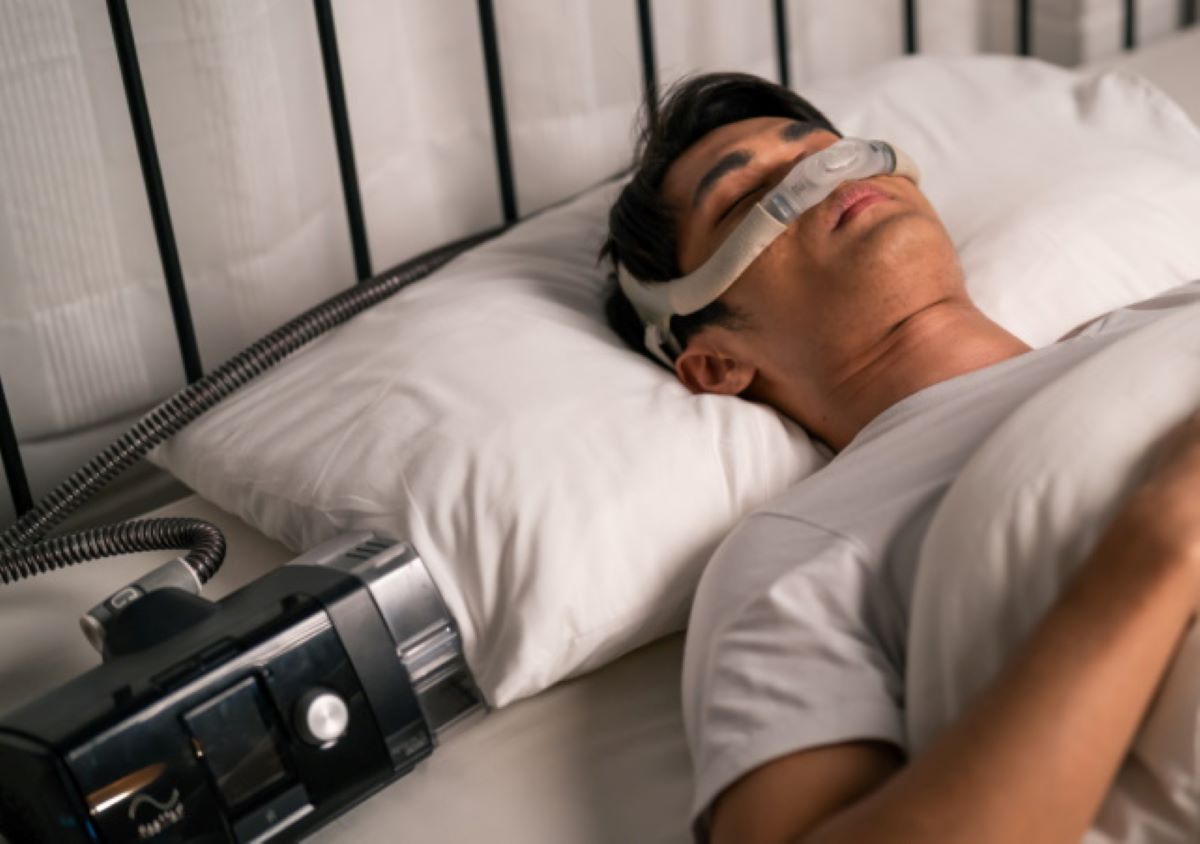
CPAP therapy involves a machine that delivers continuous positive airway pressure through a mask worn during sleep. This keeps the airway open and prevents breathing interruptions.

Key Functions:

  • Maintains steady airflow to prevent airway collapse
  • Improves oxygen saturation levels
  • Supports deeper, more restorative sleep

Real-world impact: Patients using CPAP therapy often notice fewer awakenings during the night, reduced snoring, and improved daytime alertness.


Benefits of CPAP Therapy

1. Improved Sleep Quality

By keeping airways open, CPAP therapy allows the body to cycle through normal sleep stages. This results in:

  • Reduced daytime fatigue
  • Better concentration
  • Enhanced mood and cognitive function

2. Cardiovascular Health Support

Sleep apnea can strain the heart due to oxygen deprivation and frequent awakenings. CPAP therapy helps:

  • Lower blood pressure
  • Reduce risk of heart attacks and stroke
  • Decrease strain on the cardiovascular system

3. Prevention of Complications

Consistent use of CPAP machines can reduce the likelihood of:

  • Diabetes complications
  • Obesity-related issues
  • Excessive daytime sleepiness and accidents

Choosing the Right CPAP Machine

CPAP machines come with various features, and choosing the right one improves comfort and adherence:

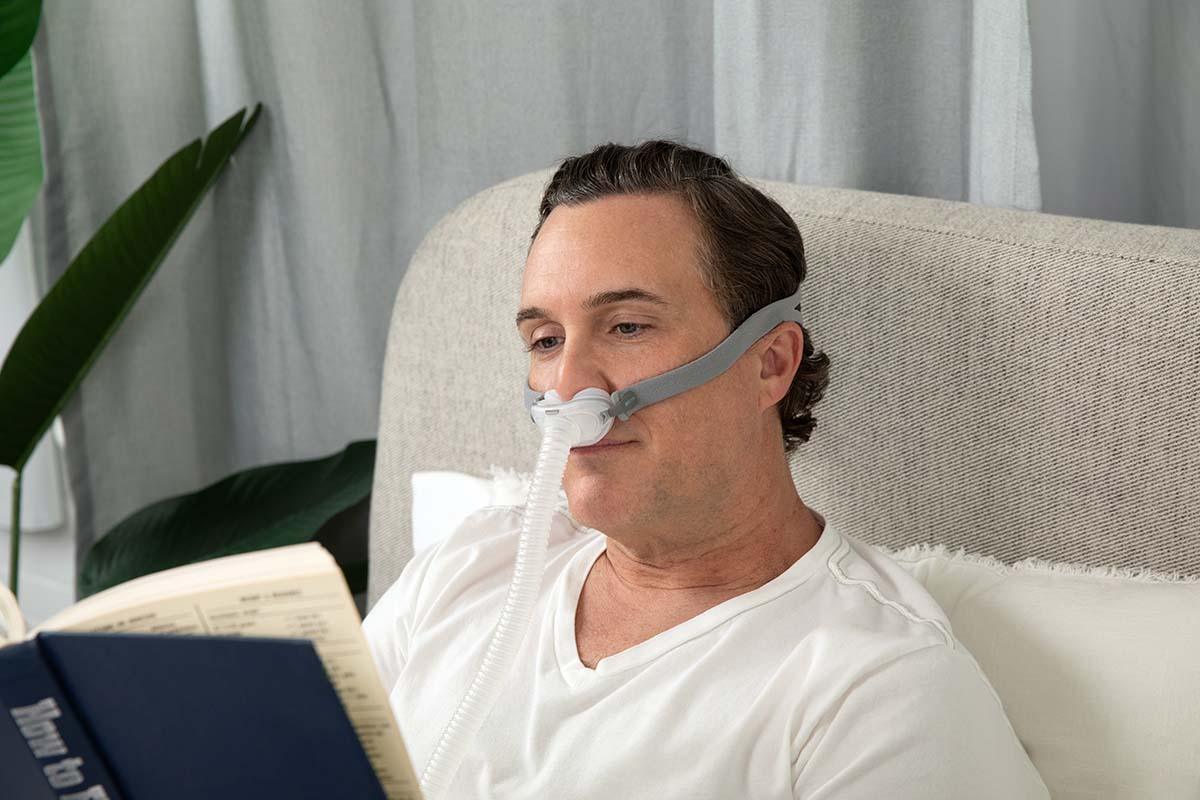
cpap mask
  • Adjustable pressure settings: Ensures optimal airway support
  • Humidifiers: Reduces nasal dryness and throat irritation
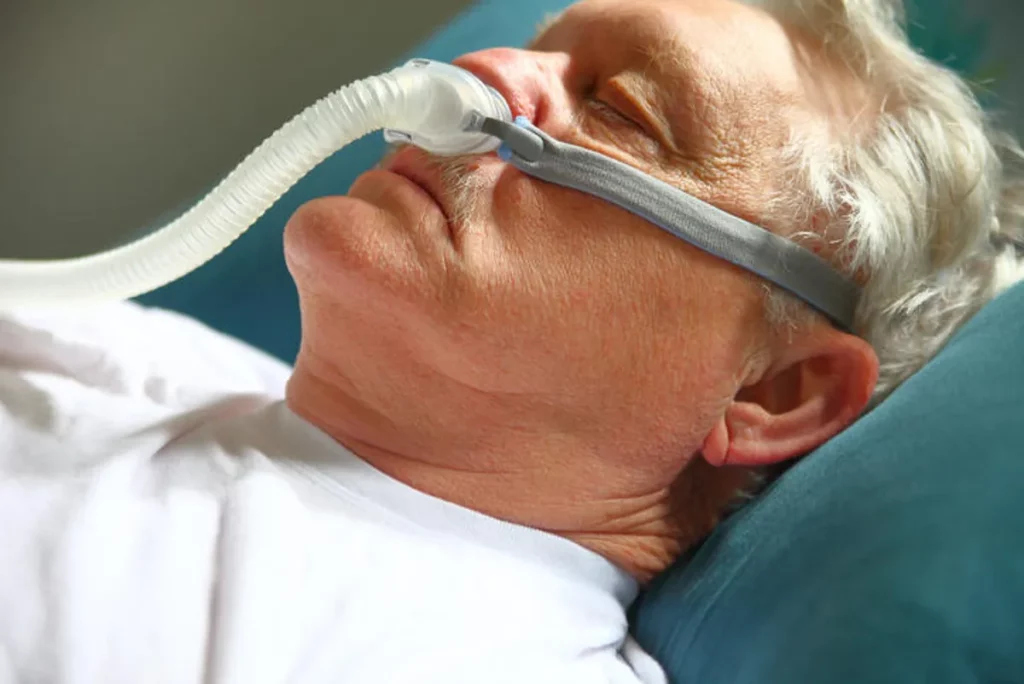
  • Mask types: Full-face, nasal, and nasal pillow options for different needs
  • Ramp feature: Gradually increases pressure for easier sleep onset
  • Data tracking: Monitors therapy compliance and breathing events

Tips for New CPAP Users

Setup

  • Follow your sleep specialist’s instructions for initial settings
  • Ensure the mask fits snugly without leaks
  • Position the machine below bed level to prevent condensation in tubing

Comfort

  • Use a humidifier to prevent nasal dryness
  • Experiment with different masks to find the most comfortable option
  • Practice relaxation techniques before bed to adjust to therapy

Maintenance

  • Clean masks, tubing, and humidifiers regularly
  • Replace filters and water chambers as recommended
  • Schedule follow-ups with your sleep specialist to adjust therapy if needed

The Role of Sleep Studies

A sleep study is essential for diagnosing sleep apnea severity and determining the most effective CPAP settings. It monitors:

  • Breathing patterns
  • Oxygen levels
  • Heart rate and sleep cycles

Accurate diagnosis ensures that CPAP therapy delivers maximum benefits for healthy sleep and cardiovascular health.


Conclusion

CPAP therapy is a vital tool for managing sleep apnea. By restoring normal breathing during sleep, it improves oxygen flow, reduces daytime fatigue, and lowers the risk of heart disease and sleep apnea complications. With proper setup, comfort adjustments, and consistent use, patients can enjoy deeper, restorative sleep and better overall health.

Consult a sleep specialist for a sleep study and personalized CPAP therapy plan to ensure the best outcomes.

FAQS

How does a CPAP machine help with sleep apnea?

A CPAP machine delivers constant airflow to keep airways open, preventing pauses in breathing. This

Can CPAP therapy reduce the risk of heart disease?

Yes. By maintaining consistent oxygen levels and preventing repeated awakenings, CPAP therapy reduces strain on the heart, lowers blood pressure, and decreases the risk of heart attacks and other cardiovascular complications.

How long does it take to feel benefits from CPAP therapy?

Many users notice improvements in energy, focus, and sleep quality within days. Long-term benefits, like improved blood pressure and heart health, require consistent nightly use.

Are there common side effects of CPAP therapy?

Mild side effects include nasal dryness, mask discomfort, or air leaks. These can usually be resolved with mask adjustments, humidifiers, or consulting a sleep specialist for pressure setting modifications.

Continue Reading →

Sleep Apnea and Diabetes: The Hidden Relationship

Introduction – A Link Many Don’t See Coming

When people think about sleep apnea, they often picture loud snoring, restless nights, and constant fatigue.
When they think about diabetes, they imagine blood sugar checks, dietary restrictions, and insulin.

At first glance, these two conditions may seem unrelated — one affects sleep and breathing, the other affects blood sugar regulation.
But growing research shows a strong connection between sleep apnea and type 2 diabetes, creating a health partnership that can make each condition harder to manage if left untreated.

Understanding this hidden link can be life-changing. By treating one, you may improve the other — and reclaim both your nights and your days.


What Exactly Is Sleep Apnea?

Sleep apnea is a disorder where breathing repeatedly stops and starts during sleep. The most common form, obstructive sleep apnea (OSA), happens when the muscles in the throat relax too much, blocking the airway. This forces the brain to wake the body just enough to restart breathing, often without you even realizing it.

This disruption prevents deep, restorative sleep, leading to fatigue, mood changes, and — as science now shows — greater risk for metabolic issues like diabetes.

See more: A Complete Guide to Buying CPAP Masks Online: Tips for Finding the Best Fit


The Connection Between Sleep Apnea and Diabetes

Research suggests that up to 80% of people with type 2 diabetes also have sleep apnea, many without knowing it. Here’s why they’re linked:

  • Oxygen Drops and Stress Hormones
    Each time your breathing pauses, oxygen levels fall. This triggers a stress response, releasing hormones like cortisol and adrenaline, which can raise blood sugar.
  • Poor Sleep Quality
    Sleep deprivation affects insulin sensitivity, making it harder for the body to manage glucose.
  • Weight and Inflammation
    Obesity is a major risk factor for both conditions. Inflammation from poor sleep can further damage insulin-producing cells.

Example:
Mark, 52, was struggling to manage his blood sugar despite medication. After his wife noticed loud snoring and gasping during the night, he was diagnosed with sleep apnea. Once treated, his morning glucose readings improved significantly.


Causes of Sleep Apnea

Sleep apnea isn’t caused by a single factor — it’s usually the result of a combination of physical traits, lifestyle habits, and health conditions.

1. Physical Factors

  • Narrow airway or enlarged tonsils
  • Thick neck circumference
  • Receding chin or jaw structure

2. Lifestyle Factors

  • Excess weight, especially around the neck and abdomen
  • Smoking, which inflames airway tissues
  • Alcohol consumption before bed, which relaxes throat muscles

3. Health-Related Triggers

  • Chronic nasal congestion from allergies or sinus problems
  • Hormonal changes, such as during menopause
  • Neurological issues (for central sleep apnea)

Symptoms to Watch For

Because sleep apnea happens during sleep, many people aren’t aware they have it. Sometimes, it’s a partner who notices the signs first.

Obvious Symptoms

  • Loud, chronic snoring
  • Gasping or choking during sleep
  • Pauses in breathing
  • Morning headaches
  • Waking up with a dry mouth

Subtle Symptoms

These are especially important because they often go overlooked — yet they have a huge impact on daily life and diabetes management:

  • Daytime fatigue or sleepiness
  • Trouble concentrating or remembering details
  • Irritability or mood swings
  • Difficulty losing weight despite diet and exercise
  • Worsening blood sugar control despite medication

Scenario:
Lisa, a teacher with type 2 diabetes, found herself forgetting lesson plans and snapping at students. She thought it was stress, but a sleep study revealed severe sleep apnea. Treatment not only improved her mood but also stabilized her glucose levels.

Sleep Apnea

How Sleep Apnea Affects Blood Sugar Control

The relationship between these two conditions is a two-way street:

  • Sleep apnea makes diabetes worse by increasing insulin resistance.
  • Diabetes can worsen sleep apnea by causing nerve damage that affects airway control or increasing inflammation.

Over time, untreated sleep apnea can lead to higher A1C levels, making diabetes harder to manage and increasing the risk of complications like heart disease and kidney damage.


Treatment Options – Improving Sleep and Blood Sugar

The good news: treating sleep apnea often leads to better diabetes management. Here’s what works.


1. CPAP Therapy

The gold standard for moderate to severe sleep apnea, Continuous Positive Airway Pressure (CPAP) machines keep the airway open with a gentle flow of air.

Benefits for Diabetes:

  • Improves insulin sensitivity
  • Reduces morning blood sugar spikes
  • Boosts energy for exercise and daily activities

Real-Life Impact:
After starting CPAP, Daniel not only stopped nodding off at his desk but also saw his A1C drop from 8.2% to 7.0% within six months.


2. Oral Appliances

Custom-fitted mouthpieces reposition the jaw or tongue to keep the airway clear.

Best For:
Mild to moderate sleep apnea or people who can’t tolerate CPAP.


3. Weight Management

Even a 5–10% weight loss can reduce airway blockage and improve both sleep apnea and blood sugar control.

Tips:

  • Focus on high-fiber, nutrient-dense foods.
  • Incorporate regular, moderate-intensity exercise.
  • Avoid late-night heavy meals.

4. Positional Therapy

Training yourself to sleep on your side (instead of your back) can help keep the airway open.


5. Surgery

For structural issues like enlarged tonsils, deviated septum, or severe jaw misalignment, surgical options may provide relief.


6. Lifestyle Adjustments

  • Avoid alcohol within three hours of bedtime.
  • Quit smoking to reduce airway inflammation.
  • Maintain a consistent sleep schedule to help regulate hormones that affect glucose.

Why Treating Sleep Apnea Matters Beyond Sleep

When sleep apnea is addressed, people often notice:

  • More consistent energy levels
  • Better mood and mental clarity
  • Improved ability to exercise
  • Lower blood pressure
  • Better long-term diabetes control

It’s not just about snoring less — it’s about reducing the strain on your heart, brain, and metabolism.


Conclusion – Don’t Overlook the Connection

Sleep apnea and diabetes share more than a passing link — they can fuel each other in ways that damage your health and quality of life. The good news is that with proper diagnosis and treatment, you can break this cycle.

If you have diabetes and struggle with fatigue, poor sleep, or trouble focusing, it’s worth getting evaluated for sleep apnea. Likewise, if you’ve been diagnosed with sleep apnea, ask your doctor about screening for diabetes.

Better sleep can mean better blood sugar — and better overall health. And that’s a connection worth waking up to.

Continue Reading →

How to Choose the Best CPAP Mask for You: A Buyer’s Guide

Choosing the right CPAP mask is a critical part of managing sleep apnea effectively. The variety of options available can be overwhelming, but understanding the significance of a well-fitting mask can lead you to make an informed decision. This guide will help you grasp the importance of a good CPAP mask, review the different types available, and provide helpful tips for selection and maintenance.

Understanding the Importance of a Good CPAP Mask

CPAP therapy, or Continuous Positive Airway Pressure, is an effective way to treat sleep apnea. However, its effectiveness largely depends on the quality of the mask used during therapy. A proper mask ensures that the air pressure delivered by the machine effectively prevents airway obstruction during sleep.

A mask that does not fit well can lead to discomfort, air leaks, and inconsistent therapy. Using the best cpap mask helps maintain a steady airflow, allowing for better sleep quality and overall health improvement. Hence, understanding the role of CPAP masks is essential for any patient relying on this treatment.

In addition to comfort and fit, the material of the mask plays a significant role in the overall experience of CPAP therapy. Masks are available in various materials, including silicone, gel, and foam, each offering different levels of comfort and skin compatibility. For patients with sensitive skin or allergies, selecting a hypoallergenic mask can prevent irritation and enhance the overall experience. Furthermore, the design of the mask—whether nasal, full-face, or nasal pillow—can also influence how effectively it delivers air pressure and how comfortable it feels during sleep.

The Role of CPAP Masks in Sleep Apnea Treatment

CPAP masks play a crucial role in delivering the prescribed air pressure to keep the airway open. They effectively prevent snoring and reduce the nighttime frequency of apnea events. A good mask enhances compliance—how often and how well patients adhere to their treatment regimen.

best cpap mask

Moreover, utilizing a mask designed specifically for your needs can significantly improve the comfort level. When users feel comfortable and confident while using their CPAP, they are more likely to continue with therapy, which can ultimately lead to better health outcomes. Many manufacturers now offer a range of options, including adjustable headgear and customizable features, allowing users to tailor the mask to their unique facial structure and sleeping positions. This level of personalization can be a game changer for those who have struggled with traditional mask designs.

Health Implications of Using the Wrong CPAP Mask

Using a mask that doesn’t fit properly can result in various health issues. A poorly fitting mask may cause skin irritation, facial soreness, and even leaky air, defeating the purpose of therapy altogether. Additionally, chronic air leaks can lead to increased daytime sleepiness, mood disturbances, and diminished cognitive performance.

Ultimately, the right mask not only alleviates sleep apnea symptoms but also contributes to a better quality of life. Therefore, it is essential to invest the time and effort required to find a mask that suits individual needs. Regular follow-ups with healthcare providers can help assess mask fit and comfort, ensuring that patients are receiving the maximum benefit from their CPAP therapy. Moreover, utilizing mask cleaning solutions and maintenance routines can prolong the life of the mask and ensure optimal performance, further enhancing the effectiveness of the treatment.

Different Types of CPAP Masks

With a plethora of options available, understanding the different types of CPAP masks can help simplify your selection process. The primary categories through which CPAP masks are classified include full face masks, nasal masks, and nasal pillow masks—each designed to meet different patient preferences and requirements.

Full Face CPAP Masks

Full face masks cover both the nose and mouth, making them an excellent choice for patients who breathe through their mouth during sleep or for those requiring higher pressure settings. They provide a stable seal and are generally well-tolerated by most users. Read more about pressure on https://www.me.psu.edu/cimbala/Learning/Fluid/Pressure/pressure_basics.htm

However, they can be bulkier and may feel less comfortable for some. It is crucial to ensure the fit is secure yet comfortable to allow for optimal therapy without discomfort during the night.

Nasal CPAP Masks

Nasal masks cover just the nose and are a popular choice for those who naturally breathe through their nasal passages. They are typically smaller and less obtrusive than full face masks, making them a preferred option for many users.

Individuals with congestion or allergies might find nasal masks a challenge, as sinus problems can lead to discomfort or ineffective pressure delivery. Users should consider their breathing patterns when selecting this type of mask.

Nasal Pillow CPAP Masks

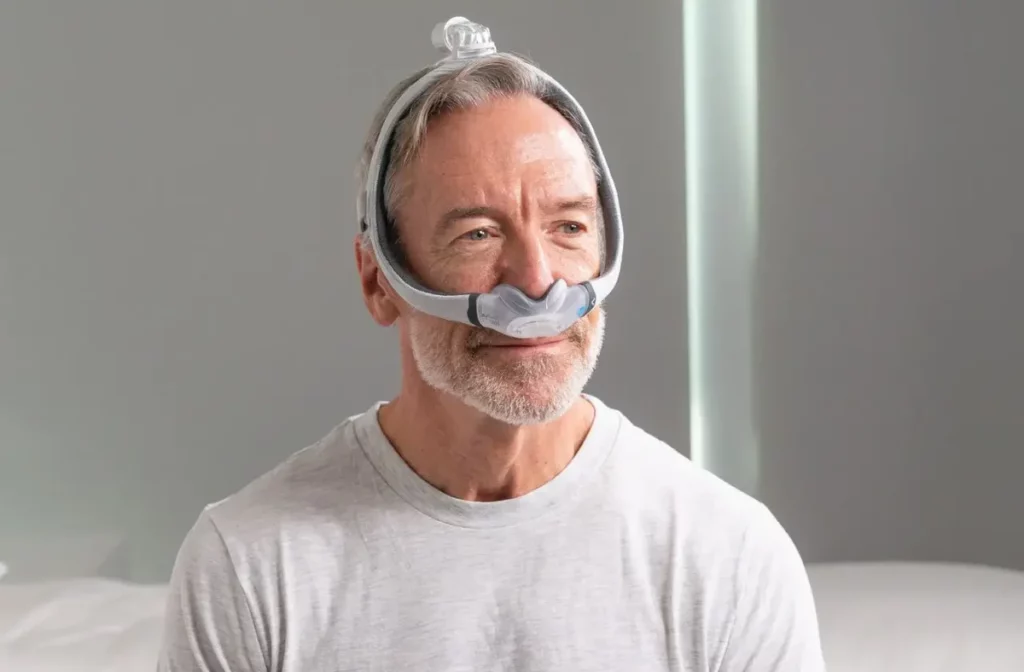
Nasal pillow masks consist of a lightweight nasal cushion that fits directly into the nostrils. They are designed for users who favor a minimalistic feel and those who may feel claustrophobic with full face or traditional nasal masks.

This style is also beneficial for those who tend to sleep on their sides, as its streamlined design reduces the likelihood of mask displacement. However, nasal pillows may not be suitable for patients who require higher levels of pressure or those who frequently breathe through their mouths.

Factors to Consider When Choosing a CPAP Mask

Selecting the best CPAP mask involves several considerations to ensure a successful therapy experience. Evaluating comfort and fit, sleep position, and breathing style can help you make the most informed choice. Below are essential factors to keep in mind.

Comfort and Fit

Comfort is paramount, as an uncomfortable mask can lead to non-compliance with therapy. Look for padding and the adjustability of straps that can help create the best fit for your facial structure. Taking the time to try various sizes and styles can make a significant difference in your overall experience with CPAP therapy.

Additionally, look for masks that offer features such as quick-release mechanisms, which can make it easier to take off your mask without fumbling in the middle of the night. Proper ventilation is also important to enhance comfort, particularly for those sensitive to exhaled air. To find more about ventilation click here.

Your Sleep Position

Your preferred sleep position greatly influences the best type of CPAP mask. Side sleepers may benefit more from nasal pillow or nasal masks, as they are less likely to disrupt airflow during sleep. In contrast, back sleepers might find better success with full face masks or other designs that provide ample support.

Test various options while lying in your preferred position to determine which mask feels most comfortable. Remember, the goal is to promote restful and uninterrupted sleep.

Your Breathing Style

Understanding your breathing style is crucial in choosing a CPAP mask. Individuals who are mouth breathers should consider full face masks, while those who primarily breathe through their nose may find nasal masks or nasal pillow masks more suitable.

Breath patterns can also change with illnesses or conditions such as allergies, so it’s wise to revisit your mask choice periodically. Before finalizing your decision, evaluate how your breathing style influences your comfort and effectiveness with CPAP therapy.

How to Properly Fit a CPAP Mask

Once you have decided on the appropriate type of mask, proper fitting becomes the next critical step. An improperly fitted mask can hinder the effects of CPAP therapy and lead to discomfort. Here’s how to ensure your mask fits correctly.

Measuring for Size

Most CPAP masks come with size charts that can guide you on selecting the right size. Measure the width and height of your nose or face using a soft measuring tape. Many manufacturers provide templates that can also assist in determining the appropriate size for you.

If possible, consult with a healthcare professional at a sleep clinic or medical supply store; they can offer insights into which mask works best for your particular facial structure.

Adjusting for Comfort

Once you’ve selected a mask, it is essential to adjust the headgear straps to achieve a snug yet comfortable fit. Tightening straps too much can cause discomfort, while an overly loose mask may lead to air leaks. Spend some time adjusting the mask while lying in a position you typically sleep in to ensure optimal comfort.

It may take a few nights to fine-tune the adjustments, so be patient as you discover what feels best while maintaining effective therapy.

Maintaining and Cleaning Your CPAP Mask

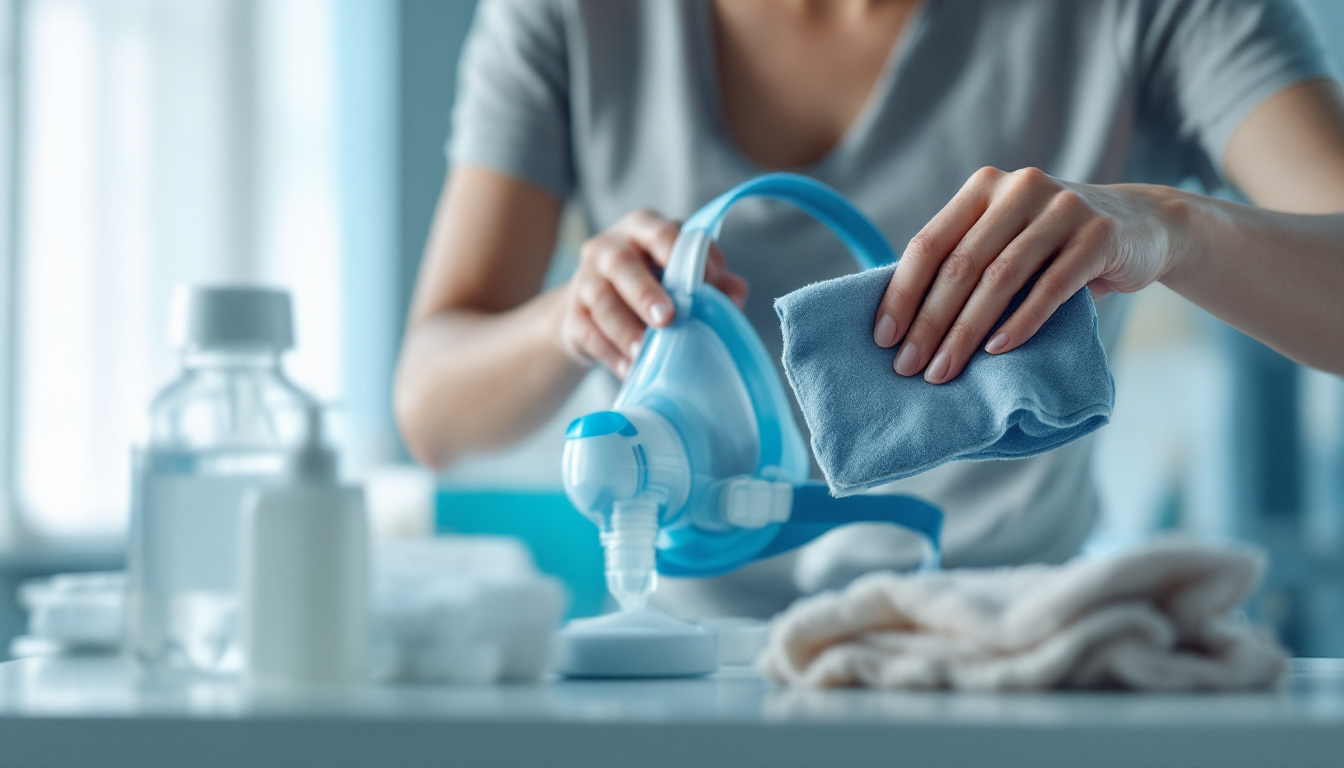
Caring for your CPAP mask is crucial not only for hygiene but also for extending the lifespan of the equipment. Establishing a consistent cleaning routine helps reduce the build-up of bacteria and ensures that your device operates effectively.

Section Image

Daily Cleaning Routine

Daily maintenance involves rinsing the mask in warm water and using mild soap without fragrances or harsh chemicals. Carefully scrub any visible areas, especially around the cushions that make contact with your skin. After rinsing, allow the mask to air dry away from direct sunlight to maintain its integrity.

Once dry, you should check for any signs of wear or tear regularly. Early detection of damage can prevent further issues in the long run.

Weekly Deep Cleaning

In addition to a daily cleaning routine, it is advisable …

Continue Reading →

A Complete Guide to Buying CPAP Masks Online: Tips for Finding the Best Fit

Purchasing a CPAP mask online can seem daunting, especially with the variety of options available. However, this guide will simplify the process and provide you with essential tips for finding the best fit. As you navigate the online marketplace, understanding key elements related to CPAP masks will ensure that you make an informed decision that enhances your sleep quality.

Understanding the Importance of a Well-Fitted CPAP Mask

A CPAP (Continuous Positive Airway Pressure) mask is a crucial component in the treatment of sleep apnea. The mask forms a seal around your nose or mouth to deliver oxygen while you sleep. Its effectiveness largely depends on how well it fits your face.

By following this comprehensive guide, you will be better prepared to buy CPAP mask online, ensuring optimal comfort and effectiveness in your sleep apnea treatment journey.

A well-fitted CPAP mask not only maximizes airflow but also minimizes discomfort and the likelihood of air leaks. Ensuring a proper fit can contribute significantly to successful treatment, improving both sleep quality and overall health.

cpap mask

The Role of CPAP Masks in Sleep Apnea Treatment

CPAP masks serve an essential role in managing sleep apnea. They are designed to create a clear airway for patients, preventing the breathing interruptions that characterize this condition. By maintaining open airways during sleep, CPAP masks help to alleviate symptoms like excessive daytime sleepiness, fatigue, and irritability.

The choice of a suitable CPAP mask is integral to compliance; many patients find that an uncomfortable mask can lead to non-adherence, exacerbating health issues. Therefore, considering both comfort and functionality is paramount when selecting a CPAP mask. Additionally, there are various styles available, including nasal pillows, full-face masks, and nasal masks, each catering to different sleeping positions and personal preferences. This variety allows users to find a mask that not only fits well but also feels comfortable throughout the night, promoting better adherence to the treatment plan.

Health Risks Associated with Ill-Fitted CPAP Masks

Wearing an ill-fitted CPAP mask can lead to several health risks. Chief among these is skin irritation or soreness caused by pressure points and air leaks. Continuous exposure to these issues can result in discomfort, making it difficult for users to wear their masks consistently throughout the night.

Furthermore, an incompletely sealed mask may not deliver the necessary air pressure effectively, undermining the treatment’s efficacy. This can lead to an increased risk of complications associated with untreated sleep apnea, such as cardiovascular problems, hypertension, and heightened anxiety levels. Moreover, the psychological impact of poor sleep can create a cycle of stress and fatigue, further complicating the management of sleep apnea. Patients may also experience a decline in their overall quality of life, as the inability to achieve restful sleep can affect work performance, relationships, and mental health. Therefore, ensuring a proper fit is not just about comfort; it is a vital aspect of maintaining one’s overall well-being and health stability. Read more about stress on https://www.who.int/news-room/questions-and-answers/item/stress

Different Types of CPAP Masks Available Online

When buying a CPAP mask online, it is essential to be aware of the various types available, each designed to cater to different user preferences and comfort levels.

Full Face CPAP Masks

Full face masks are designed to cover both the mouth and nose, making them an excellent choice for patients who breathe through their mouths during sleep. They provide a secure fit and are particularly beneficial for those with severe sleep apnea.

While many users appreciate the comfort and coverage offered by full face masks, some may find them bulkier than other options. Therefore, the choice often comes down to personal preference and specific medical needs. Additionally, full face masks can be equipped with various features, such as adjustable straps and soft cushioning, which enhance comfort and reduce the likelihood of skin irritation. Users may also find that these masks are compatible with heated humidifiers, which can help alleviate dryness in the airways during therapy.

Nasal CPAP Masks

Nasal masks provide a more streamlined approach, covering only the nose. They are generally less obtrusive than full face masks, making them a popular choice for many users.

These masks can be particularly beneficial for individuals who primarily breathe through their noses while sleeping. However, they may not be suitable for those with significant nasal congestion or breathing difficulties. Many nasal masks also come with adjustable features that allow users to find their ideal fit, which can be crucial for ensuring effective therapy. Furthermore, some models include a gel cushion that conforms to the shape of the face, providing additional comfort and stability throughout the night.

Nasal Pillow CPAP Masks

Key Factors to Consider When Buying CPAP Masks Online

Choosing the right CPAP mask involves considering several critical factors to ensure comfort, functionality, and efficacy. Here are the key aspects to keep in mind:

Size and Fit

Finding the right size is crucial for your CPAP mask. Most manufacturers provide size charts, which can guide you in selecting the appropriate mask. Many models come in various sizes, allowing for customization based on individual facial contours.

You may need to try multiple sizes to ensure a snug but comfortable fit without excessive pressure points. Many online retailers also provide virtual fitting guides, helping you visualize how different sizes and styles will fit your face. Additionally, some brands offer a trial period, allowing you to test the mask for a few nights to determine if it meets your comfort and effectiveness needs before making a final commitment.

Material and Comfort

The material of the mask affects comfort significantly. Soft and breathable materials can help reduce irritation, especially for those with sensitive skin. Additionally, masks with gel cushions or silicone interfaces are often more forgiving than rigid materials. Click here to find more about silicone.

Consider options that offer adjustable headgear, allowing you to find the right balance between tightness and comfort. A comfortable mask is more likely to be worn consistently, positively impacting your sleep quality. Furthermore, look for masks that feature hypoallergenic materials, as these can minimize allergic reactions and skin irritations, making your CPAP therapy more pleasant and effective.

Mask Design and Features

Different mask designs also come with unique features that may enhance your experience. Some masks include auto-adjusting headgear, quick-release clips, and even built-in humidifiers to enhance airflow and comfort.

Evaluate these features based on your preferences and needs. For example, if you frequently travel, consider a lightweight model that offers portability without sacrificing comfort. Additionally, check for noise levels, as a quieter mask can contribute to a more peaceful sleep environment. Some advanced models even offer integrated sensors that monitor your breathing patterns and adjust the pressure accordingly, ensuring optimal therapy throughout the night. This technology can provide peace of mind, knowing that your mask is actively working to maintain your comfort and therapeutic needs.

How to Measure for a CPAP Mask at Home

Measuring for a CPAP mask can be done conveniently at home. Accurate measurements ensure that your mask fits well and functions correctly. Here’s how to do it:

Measuring Your Face for a Full Face Mask

To measure for a full face mask, start by locating a flexible measuring tape. Measure the distance from the bridge of your nose to the bottom of your chin; this ensures that the mask will adequately cover both areas. Additionally, measure the distance from ear to ear across the bridge of your nose to determine the width you’ll need.

These measurements are essential for selecting the right size from the manufacturer’s sizing chart. Remember that different brands may have varied sizing, so it’s important to refer to the specific product’s guidelines.

Measuring for a Nasal or Nasal Pillow Mask

For a nasal or nasal pillow mask, you’ll primarily focus on the width of your nose and the distance from the bridge of your nose to where the mask will rest against your cheeks. Again, using a flexible measuring tape, obtain these dimensions, referring to the sizing charts specific to the models you’re considering.

Proper measurement ensures comfort and effectiveness, minimizing the risk of leaks and ensuring you receive the optimal therapeutic pressure.

Online Stores to Buy CPAP Masks

With numerous online stores selling CPAP masks, it’s essential to choose a reputable retailer. Here are some tips for finding trustworthy online stores to purchase your CPAP mask.

Section Image

Evaluating Online CPAP Mask Retailers

When evaluating online retailers, consider factors such as customer reviews, return policies, and their certifications. Well-established retailers often showcase customer testimonials that can provide insight into the quality of the products they offer.

Additionally, check for relevant industry certifications or affiliations with recognized health organizations. This adds a layer of trustworthiness to their claims about product efficacy and quality.

Tips for Safe Online Shopping

To ensure a safe online shopping experience, take the following precautions. First, always shop on secure websites that use HTTPS to protect your personal information. Look for reviews and ratings to verify the credibility of the retailer.

Lastly, make sure that the retailer offers a clear return …

Continue Reading →

Sleep Study Report: Breaking Down the Key Insights for Better Sleep

In today’s fast-paced world, sleep often takes a back seat to our daily commitments and endless to-do lists. Yet, understanding the significance of sleep is crucial to improving not just our nights but also our days. This report delves into the key insights from a recent sleep study, offering practical advice for those striving for a more restful night.

Understanding the importance of sleep

Sleep is a basic human need, much like air and water. It’s the body’s natural way of recuperating and rejuvenating. A good night’s sleep is integral for physical health, emotional balance, and cognitive function.

In conclusion, prioritising sleep is not merely a luxury; it is essential for overall health and productivity. By understanding sleep’s importance and applying the findings from the sleep study report, you can take meaningful steps towards achieving better sleep, leading to a more fulfilling life.

The science behind sleep

Sleep is a complex process governed by various biological mechanisms. It is primarily divided into two phases: REM (Rapid Eye Movement) and non-REM sleep. Each phase plays a distinct role in mental and physical restoration.

During non-REM sleep, the body primarily focuses on restoring energy and repairing tissues. In contrast, REM sleep engages the brain, facilitating learning and memory consolidation. The harmony between these cycles is vital; disruptions can lead to a myriad of health issues.

Interestingly, the duration and quality of sleep required can vary significantly from person to person, influenced by factors such as age, lifestyle, and individual health conditions. For instance, infants may require up to 16 hours of sleep a day, while adults typically need between seven to nine hours. Furthermore, the quality of sleep is just as important as the quantity; uninterrupted sleep cycles contribute to a more restorative experience, allowing the body to engage fully in the necessary repair processes.

sleep-disorders

How sleep impacts your health

The repercussions of poor sleep extend far beyond fatigue. Chronic sleep deprivation has been linked to a range of health issues, including obesity, diabetes, cardiovascular diseases, and mental health disorders.

Moreover, a lack of sleep can impair cognitive functions such as attention, decision-making, and memory retention. When we fail to prioritise sleep, we unknowingly compromise our overall wellbeing and productivity.

In addition to these physical and cognitive effects, sleep also plays a crucial role in emotional regulation. Studies have shown that insufficient sleep can heighten emotional reactivity and reduce our ability to cope with stress. This can lead to a vicious cycle where poor sleep exacerbates anxiety and depression, further hindering our ability to achieve restful sleep. Therefore, cultivating healthy sleep habits is essential not only for physical health but also for maintaining emotional resilience and mental clarity. Learn mroe about anxiety at https://www.health.harvard.edu/blog/anxiety-what-it-is-what-to-do-2018060113955

The methodology of the sleep study

To glean insights into sleep patterns and their effects on health, a comprehensive study was conducted involving diverse participants. This study aimed to explore both subjective and objective aspects of sleep.

The participants and their backgrounds

The study involved 1,000 participants from various backgrounds, differing in age, gender, and lifestyle choices. This diversity allowed for a more holistic understanding of sleep habits across different demographics.

Participants provided personal sleep diaries and underwent sleep assessments over several weeks, giving researchers insights into their sleep quality and environments.

The sleep tracking technology used

To complement participant data, advanced sleep tracking technology was employed. This included wearable devices that monitored sleep stages, heart rates, and movement throughout the night, providing objective data alongside personal reports.

The combination of subjective experiences and technology ensured a comprehensive view of sleep patterns. Understanding these nuances enabled the researchers to uncover critical correlations between sleep and various lifestyle factors.

Key findings from the sleep study

The results of the sleep study unveiled several significant insights that underscore the importance of prioritising sleep.

The correlation between sleep quality and lifestyle factors

One of the major findings was the strong correlation between sleep quality and lifestyle choices. Participants who maintained balanced diets, exercised regularly, and managed stress effectively reported significantly better sleep quality. To find more about balanced diets click here.

This demonstrates that holistic approaches to health can positively influence one’s sleep patterns, reiterating the idea that sleep is interconnected with our overall lifestyle.

The impact of sleep duration on daily performance

The study also confirmed that sleep duration directly affects daily performance. Participants who slept less than seven hours a night consistently reported reduced focus, mood swings, and lower productivity levels at work or school.

In contrast, those who enjoyed restorative sleep of seven to nine hours displayed higher cognitive functioning, better emotional regulation, and increased productivity. These findings emphasise the necessity of making time for adequate rest in our busy lives.

Eight-Health-Benefits-of-Sleep

Practical insights for better sleep

With the insights gained from the study, implementing effective strategies can significantly enhance sleep quality. Here are some practical suggestions you might consider.

The role of a consistent sleep schedule

One of the simplest yet most effective methods to improve sleep is to establish a consistent sleep schedule. Going to bed and waking up at the same time every day helps regulate the body’s internal clock.

This predictability signals your body when to wind down, making it easier to fall asleep and wake up feeling refreshed. Aim for a routine that caters to your lifestyle, ensuring it’s manageable in the long run.

The influence of diet and exercise on sleep

What we consume and our level of physical activity can greatly impact our sleep. A diet rich in fruits, vegetables, whole grains, and lean proteins can promote better health and sleep quality. Conversely, excessive caffeine, sugar, and processed foods can disrupt our sleep.

Furthermore, regular physical activity is proven to promote better sleep. Aim for at least 30 minutes of moderate exercise most days, but be mindful of timing; exercising too close to bedtime may elevate energy levels and hinder your ability to wind down.

Addressing common sleep disorders

Many individuals struggle with sleep disorders that can greatly impact their quality of life. Recognising and addressing these issues is critical for improved wellbeing.

Understanding insomnia and its effects

Insomnia, characterised by difficulty falling or staying asleep, can lead to chronic fatigue and stress. It’s essential to identify the root cause, whether it’s anxiety, lifestyle choices, or medical conditions, in order to treat it effectively.

Several strategies, including cognitive behavioural therapy and relaxation techniques, can help manage insomnia. Consulting a healthcare professional can provide tailored solutions based on individual needs.

Dealing with sleep apnea

Sleep apnea is another prevalent sleep disorder defined by interrupted breathing patterns during sleep. It can lead to serious health consequences, including heart problems and excessive daytime sleepiness.

Seeking medical advice for symptoms such as loud snoring or excessive fatigue is vital. Treatments may include lifestyle changes, use of CPAP (Continuous Positive Airway Pressure) devices, or even surgical options.

Other resources: Sleep Apnea Study Near Me

Continue Reading →