Do You Need a Sleep Study Referral in Australia?

The right route depends on what they are trying to achieve: fast access, lowest out-of-pocket cost, specialist oversight, or a particular test type.

Do they always need a referral for a sleep study in Australia?

A sleep study referral is not always required. Many private providers accept self-referrals for home sleep tests and, in some cases, in-clinic studies.

However, a referral is typically needed if they are seeking Medicare rebates, booking an appointment with a specialist sleep physician, or accessing a public hospital sleep service. Requirements vary between clinics, so it’s important to check the provider’s booking policies before assuming they can proceed without seeing a GP.

Can they book a home sleep test without seeing a GP first?

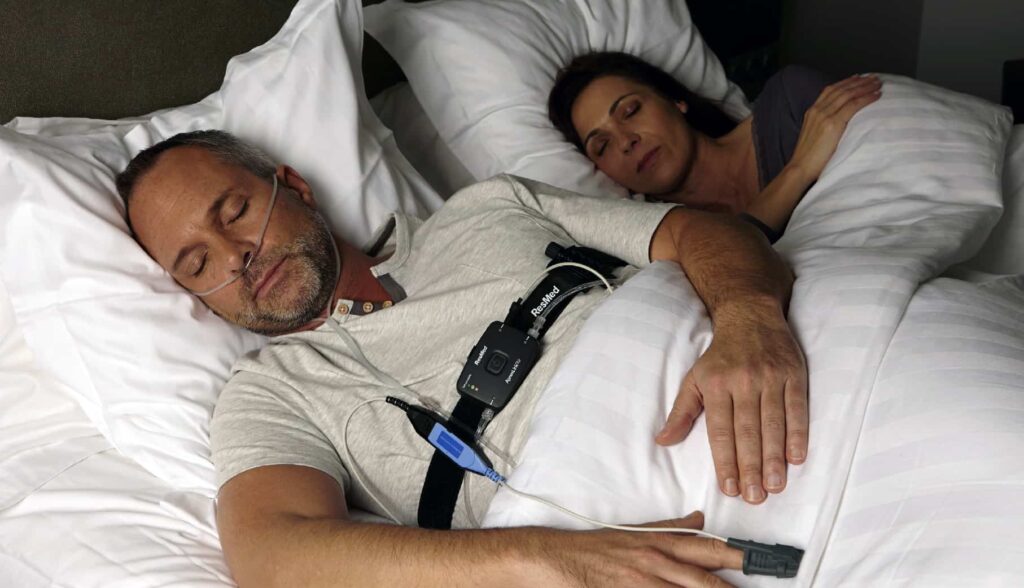
Yes, many Australians can book a home sleep test directly with a private clinic. This is often the quickest path for people with straightforward symptoms like loud snoring, witnessed pauses in breathing, or excessive daytime sleepiness.

That said, a GP visit can still be useful if they have other medical issues, take sedating medicines, or have safety-sensitive work. Some providers may also require a short health screening first.

When is a GP referral effectively necessary?

A GP referral is effectively necessary when cost and care pathways matter. If they want Medicare benefits, a referral is usually part of the process, and it may determine whether they see a specialist or go straight to testing.

A referral is also commonly needed if they are being managed through a public hospital, have complex symptoms, or need coordination with other care. For many, the GP is the safest “gatekeeper” even when self-referral is possible.

Does Medicare require a referral for rebates on sleep studies?

Often, yes. Medicare eligibility can depend on the type of test, the provider, and whether the service is arranged under the right clinical pathway, which commonly includes a GP referral and, in some cases, specialist involvement.

Because Medicare rules and item numbers can be applied differently by different services, they should ask the clinic directly what is required for rebates and what paperwork is needed. If they are cost-sensitive, they should confirm expected out-of-pocket fees in writing.

Do private health insurers require a referral?

Sometimes. Private health insurers may ask for a referral for in-hospital sleep studies or when a specialist consultation is billed under hospital cover.

Policies vary widely, including waiting periods and exclusions. They should check their level of cover, whether the clinic is considered in-hospital or outpatient, and whether pre-approval is required. Getting this wrong can turn a “covered” test into a large out-of-pocket bill.

What symptoms should prompt them to ask for a referral?

They should consider asking for a referral if symptoms are persistent, worsening, or safety-related. Common reasons include loud snoring, gasping or choking during sleep, witnessed breathing pauses, morning headaches, and severe daytime sleepiness.

They should also seek medical input sooner if they have high blood pressure, atrial fibrillation, type 2 diabetes, obesity, or depression, as sleep apnoea can overlap with these. If they have nodded off while driving, they should treat it as urgent.

Is a referral more important for in-lab sleep studies than home tests?

Yes, usually. Home sleep tests are frequently available via self-referral in the private system, but in-lab studies are more often tied to specialist assessment, hospital settings, or more complex clinical questions.

In-lab testing may be recommended when home testing is inconclusive, when other sleep disorders are suspected, or when they have conditions that complicate breathing during sleep. A referral helps ensure the right test is chosen first time.

Can they go straight to a sleep specialist without a GP referral?

They can, but it may limit NHS benefits. Many specialists prefer or require a GP referral because it provides medical background, clarifies the reason for review, and supports rebate-eligible billing.

If they self-refer to a specialist clinic, they should ask whether they can still obtain a GP referral dated appropriately for NHS purposes. They should also ask what documents help, such as medication lists, past test results, and partner observations.

What should they expect their GP to do before referring them?

A GP will usually take a sleep history, ask about snoring and breathing pauses, review daytime symptoms, and assess risk factors. They may use screening tools and check blood pressure, weight, neck circumference, and relevant medical history.

They may also rule out other causes of fatigue, such as iron deficiency, thyroid issues, mood disorders, or medication effects. Then they can refer for a sleep study, a sleep physician, or both, depending on the likely diagnosis.

See Also : Home Sleep Study Sydney: Fast and Comfortable Testing Options

What happens if they do a sleep study without a referral?

They can still get useful results, especially if the provider includes clinical review. Many private services will generate a report and recommend next steps.

The main trade-offs are usually financial and continuity of care. They may pay more out of pocket, and their GP may need the report to coordinate treatment. They should ensure the provider shares results with their GP if they want ongoing management and safe follow-up.

Sleep Study Referral

How can they choose the right referral pathway for their situation?

They should match the pathway to their priorities. If speed matters and symptoms are classic for obstructive sleep apnoea, a reputable home sleep test via a private clinic may be sufficient.

If they want NHS support, have complex health problems, or suspect something beyond snoring and apnoea, starting with a GP referral is often the better choice. When in doubt, they should ask three practical questions: total cost, who interprets the study, and who provides follow-up treatment.

What is the simplest answer most Australians need?

Most Australians do not need a referral to book a private home sleep test, but they often need a GP referral to access NHS rebates, public services, or specialist-led pathways. If they want the lowest-risk, most coordinated route, they should start with their GP and take the referral option even if self-referral is available.

FAQs (Frequently Asked Questions)

Do Australians always need a GP referral to book a sleep study?

No, Australians do not always need a GP referral to book a sleep study. Many private sleep clinics accept self-referrals for home sleep tests and some in-clinic studies. However, a GP referral is usually required to access Medicare rebates, specialist sleep physician appointments, or public hospital services.

Can I book a home sleep test directly without seeing my GP first?

Yes, many Australians can book a home sleep test directly with private clinics, especially if they have straightforward symptoms such as loud snoring, witnessed breathing pauses, or excessive daytime sleepiness. Nevertheless, visiting a GP can be beneficial if you have other medical conditions, take sedating medications, or perform safety-sensitive work.

When is a GP referral necessary for a sleep study in Australia?

A GP referral is effectively necessary when cost and care pathways matter. If you want Medicare benefits or are being managed through public hospital services, require specialist oversight, or have complex symptoms needing coordinated care, a GP referral is essential. It also helps ensure the appropriate testing and follow-up treatment.

Does Medicare require a GP referral to provide rebates for sleep studies?

Often, yes. Medicare rebates for sleep studies typically depend on having the service arranged under the correct clinical pathway, which commonly includes a GP referral and sometimes specialist involvement. Requirements can vary by provider and test type; therefore, it’s important to confirm with the clinic beforehand.

Do private health insurers require referrals for sleep studies?

Sometimes. Private health insurers may require referrals for in-hospital sleep studies or specialist consultations billed under hospital cover. Policies vary widely regarding waiting periods and exclusions. It’s crucial to check your specific insurance coverage and whether pre-approval or referrals are needed to avoid unexpected out-of-pocket costs.

What symptoms should prompt me to seek a GP referral for a sleep study?

You should consider seeking a GP referral if you experience persistent or worsening symptoms such as loud snoring, gasping or choking during sleep, witnessed breathing pauses, morning headaches, severe daytime sleepiness, or if you have related health issues like high blood pressure, atrial fibrillation, type 2 diabetes, obesity, or depression. If you’ve nodded off while driving, seek urgent medical advice.
Continue Reading →

Sleep Test Australia: Assessing Your Sleep Health

In our fast-paced modern lives, where stress and distractions abound, getting a good night’s sleep can often be a challenge. However, sleep plays a crucial role in our overall health, affecting our physical and mental well-being. This is where sleep tests come into play, offering a comprehensive assessment of your sleep health.

Improving Your Sleep Health

If your sleep study Australia reveals any issues or if you simply want to optimize your sleep health, there are steps you can take to improve your sleep quality.

Understanding the intricacies of sleep health involves delving into various aspects of your daily routine and environment. It’s not just about the number of hours you spend in bed but also the quality of sleep you experience. By exploring different strategies and techniques, you can enhance your overall well-being through improved sleep.

Lifestyle Changes for Better Sleep

Simple lifestyle adjustments can have a profound impact on your sleep health. Establishing a consistent sleep schedule, creating a relaxing bedtime routine, and creating a sleep-friendly environment can significantly improve your ability to fall asleep and stay asleep throughout the night.

Moreover, incorporating mindfulness practices such as meditation or gentle yoga before bedtime can help calm the mind and signal to your body that it’s time to unwind. These small yet powerful habits can pave the way for a more restful and rejuvenating night’s sleep.

See Also: These cleaning tips will help your CPAP machines last long

Medical Interventions for Sleep Disorders

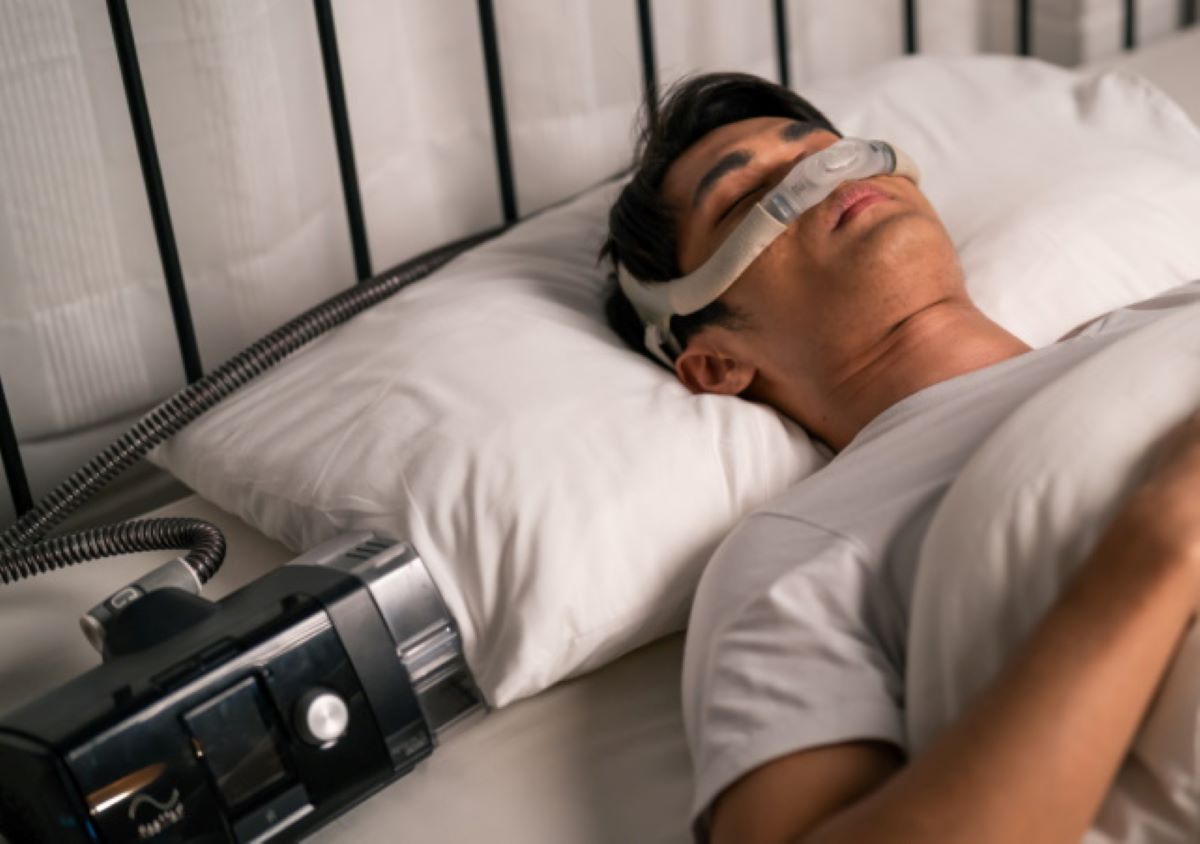
In cases where sleep disorders are diagnosed, medical interventions may be necessary. Treatment options range from medication and therapy to continuous positive airway pressure (CPAP) machines for conditions like sleep apnea. Consulting with a sleep specialist can help determine the most appropriate treatment plan tailored to your specific needs.

Additionally, exploring alternative therapies such as acupuncture or cognitive behavioral therapy for insomnia can offer holistic approaches to addressing underlying issues contributing to sleep disturbances. It’s essential to consider a comprehensive approach to sleep health that encompasses both conventional and complementary treatments for optimal results.

By undergoing a sleep test, you gain valuable insights into your sleep health, allowing you to take proactive steps towards improving your overall well-being. Whether it’s making lifestyle changes or seeking medical interventions, the path to better sleep health begins with understanding your individual sleep patterns. So, step into the realm of sleep testing and embark on a journey towards a healthier and well-rested you.

Understanding the Importance of Sleep Health

It’s no secret that sleep is essential for our bodies to function optimally. Adequate sleep allows our bodies to rest, repair, and recharge, ensuring that we wake up refreshed and ready to tackle the day. But sleep health goes beyond mere restfulness – it impacts our cognitive functions, emotional stability, and even our immune system.

Sleep is a complex biological process that involves different stages, each serving a unique purpose. During the deep stages of sleep, the body repairs tissues, synthesizes proteins, and releases growth hormones crucial for development and immune function. Rapid Eye Movement (REM) sleep, on the other hand, plays a vital role in memory consolidation and emotional regulation. By understanding these intricate mechanisms, we can appreciate the profound impact of quality sleep on our overall well-being.

Sleep Test Australia

The Role of Sleep in Overall Health

Not getting enough sleep can lead to a variety of health problems. Chronic sleep deprivation has been linked to an increased risk of obesity, diabetes, cardiovascular disease, and mental health disorders. Furthermore, poor sleep quality can impair our memory, attention, and decision-making abilities, affecting our performance at work or school.

It’s essential to prioritize sleep hygiene practices to promote restorative sleep. Creating a consistent bedtime routine, optimizing your sleep environment, and avoiding stimulants like caffeine before bed can significantly enhance the quality of your sleep. By adopting these habits, you can support your body’s natural circadian rhythm and improve your overall sleep health.

Common Sleep Disorders in Australia

Australia has a significant prevalence of sleep disorders, with conditions like obstructive sleep apnea, insomnia, and restless leg syndrome affecting a significant portion of the population. These disorders disrupt the normal sleep patterns, leading to daytime fatigue, reduced productivity, and an overall decline in quality of life.

Seeking professional help for sleep disorders is crucial in managing symptoms and improving sleep quality. From continuous positive airway pressure (CPAP) therapy for sleep apnea to cognitive-behavioral therapy for insomnia, there are various effective treatments available. By addressing underlying sleep issues, individuals can experience profound improvements in their overall health and well-being.

The Science Behind Sleep Tests

Sleep tests, also known as polysomnography, are diagnostic tools that monitor and record various physiological parameters during sleep. This allows healthcare professionals to assess the quality and quantity of your sleep. Understanding how sleep tests work can help you make informed decisions about your sleep health.

Polysomnography involves the use of electrodes attached to different parts of your body to monitor brain waves, eye movements, muscle activity, heart rate, and breathing patterns. These electrodes are painlessly placed on your scalp, face, chest, and legs to gather comprehensive data while you sleep. The information collected provides valuable insights into your sleep patterns and any underlying sleep disorders.

The Mechanics of Sleep Stages

During sleep, our bodies go through different stages, each serving a specific purpose. These stages include NREM (non-rapid eye movement) sleep and REM (rapid eye movement) sleep. NREM sleep can be further divided into three stages, with each stage playing a distinct role in sleep restoration and maintenance.

NREM Stage 1 is the lightest stage of sleep, where you may drift in and out of consciousness. NREM Stage 2 is characterized by a decrease in body temperature and heart rate as your body prepares for deep sleep. NREM Stage 3, also known as slow-wave sleep, is the deepest stage where your body repairs tissues and strengthens the immune system. REM sleep, on the other hand, is when most dreaming occurs, and the brain consolidates memories and processes emotions.

How Sleep Tests Measure Sleep Quality

Sleep tests collect data on various parameters throughout the night, including brain activity, heart rate, oxygen levels, and breathing patterns. This data is then analyzed by sleep specialists to evaluate the quality of your sleep. Sleep efficiency, sleep latency, and the number of awakenings are some of the factors assessed to determine sleep quality.

By analyzing the data gathered during a sleep test, healthcare providers can identify sleep disorders such as sleep apnea, insomnia, narcolepsy, and restless legs syndrome. This information is crucial for developing personalized treatment plans to improve your sleep quality and overall well-being. Understanding the mechanics of sleep stages and how sleep tests measure sleep quality can empower you to take control of your sleep health and make informed decisions about your lifestyle and treatment options.

Sleep Test Australia

Types of Sleep Tests Available in Australia

Australia offers a variety of sleep tests to cater to individual preferences and requirements when it comes to assessing sleep quality and identifying potential sleep disorders. These tests play a crucial role in diagnosing and treating various sleep-related issues, ultimately improving overall health and well-being.

When considering sleep tests in Australia, individuals have the option of choosing between home sleep tests and in-lab sleep tests, each offering unique advantages and insights into their sleep health.

Home Sleep Tests

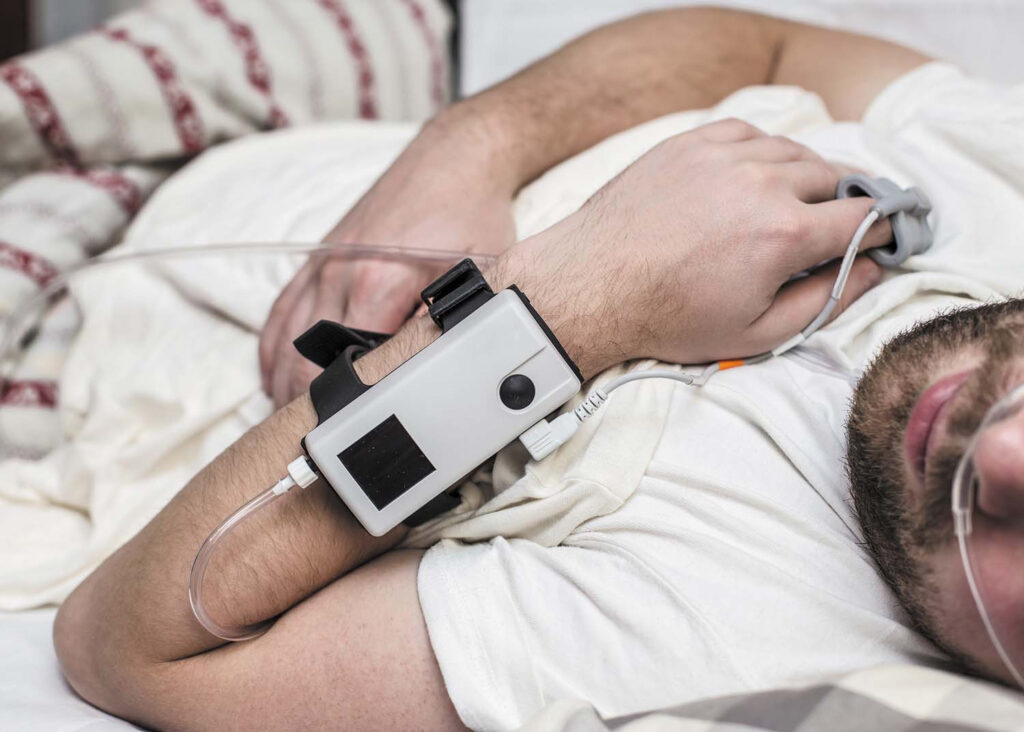
Home sleep tests have become increasingly popular among individuals who prioritize comfort and convenience. These tests involve wearing portable monitoring devices while sleeping in the familiar surroundings of one’s own bed. While home sleep tests may not provide the same level of comprehensive data as in-lab tests, they offer a practical and accessible way to monitor essential sleep parameters.

Furthermore, home sleep tests are particularly beneficial for individuals with busy schedules or those who may feel anxious in a clinical setting. By undergoing a sleep test at home, individuals can relax in a familiar environment, potentially leading to more accurate results that reflect their typical sleep patterns.

In-Lab Sleep Tests

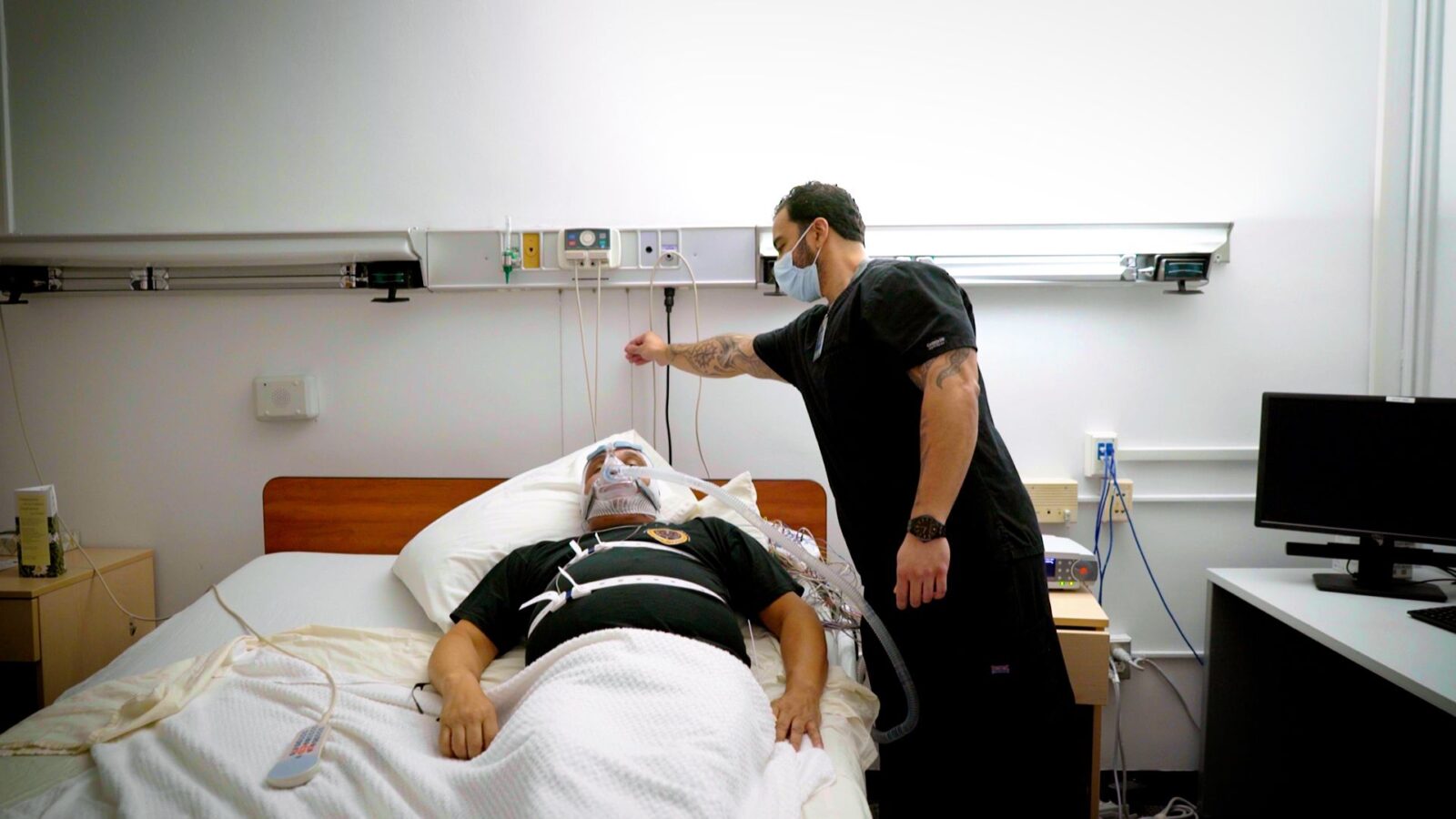
In contrast, in-lab sleep tests offer a more immersive and detailed assessment of an individual’s sleep quality and patterns. Conducted in a specialized sleep center, these tests involve spending a night under the observation of sleep specialists and connected to various monitoring devices.

During an in-lab sleep test, experts can monitor a wide range of parameters, including brain activity, heart rate, breathing patterns, and movements during sleep. This comprehensive approach allows for the accurate diagnosis of conditions such as sleep apnea, insomnia, narcolepsy, and restless legs syndrome, among others.

Interpreting Your Sleep Test Results

Once your sleep test is complete, it’s important to understand how to interpret the results to gain insight into your sleep health.

After a sleep test, the data collected is analyzed to provide a detailed assessment of your sleep patterns and quality. This analysis involves evaluating various factors, including the duration and stages of your sleep, breathing patterns, and any disruptions during the night. By delving into these details, healthcare professionals can uncover underlying issues affecting your sleep.

Understanding

Continue Reading →