
Sleep apnea is a common sleep disorder affecting millions worldwide. People with this condition experience repeated interruptions in breathing during sleep, leading to poor sleep quality, daytime fatigue, and increased risk of serious health complications like heart disease and high blood pressure. One of the most effective treatments for sleep apnea is CPAP therapy, which uses a CPAP machine to maintain steady breathing and restore restful sleep.
In this guide, we’ll explore how CPAP therapy works, its benefits, and practical advice for patients looking to improve their sleep health.
Understanding Sleep Apnea
Sleep apnea occurs when the airway becomes partially or fully blocked during sleep. This leads to:
- Short pauses in breathing
- Oxygen level drops
- Interrupted sleep cycles
Symptoms often include loud snoring, gasping for air, morning headaches, and excessive daytime fatigue. Untreated sleep apnea can strain the heart, increase blood pressure, and elevate the risk of cardiovascular events.
Example: Sarah, a 42-year-old teacher, experienced chronic fatigue and high blood pressure. After undergoing a sleep study, she was diagnosed with moderate sleep apnea. Her cardiologist recommended CPAP therapy, which significantly improved her energy and blood pressure levels within weeks.
How CPAP Therapy Works
CPAP therapy involves a machine that delivers continuous positive airway pressure through a mask worn during sleep. This keeps the airway open and prevents breathing interruptions.
Key Functions:
- Maintains steady airflow to prevent airway collapse
- Improves oxygen saturation levels
- Supports deeper, more restorative sleep
Real-world impact: Patients using CPAP therapy often notice fewer awakenings during the night, reduced snoring, and improved daytime alertness.
Benefits of CPAP Therapy
1. Improved Sleep Quality
By keeping airways open, CPAP therapy allows the body to cycle through normal sleep stages. This results in:
- Reduced daytime fatigue
- Better concentration
- Enhanced mood and cognitive function
2. Cardiovascular Health Support
Sleep apnea can strain the heart due to oxygen deprivation and frequent awakenings. CPAP therapy helps:
- Lower blood pressure
- Reduce risk of heart attacks and stroke
- Decrease strain on the cardiovascular system
3. Prevention of Complications
Consistent use of CPAP machines can reduce the likelihood of:
- Diabetes complications
- Obesity-related issues
- Excessive daytime sleepiness and accidents
Choosing the Right CPAP Machine
CPAP machines come with various features, and choosing the right one improves comfort and adherence:
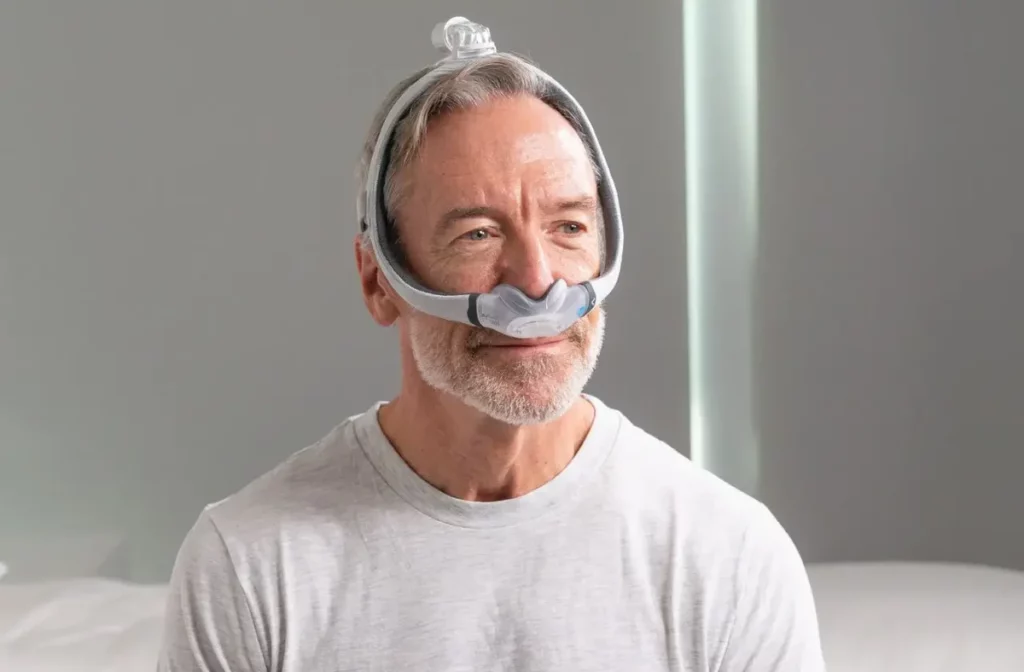
- Adjustable pressure settings: Ensures optimal airway support
- Humidifiers: Reduces nasal dryness and throat irritation
- Mask types: Full-face, nasal, and nasal pillow options for different needs
- Ramp feature: Gradually increases pressure for easier sleep onset
- Data tracking: Monitors therapy compliance and breathing events
Tips for New CPAP Users
Setup
- Follow your sleep specialist’s instructions for initial settings
- Ensure the mask fits snugly without leaks
- Position the machine below bed level to prevent condensation in tubing
Comfort
- Use a humidifier to prevent nasal dryness
- Experiment with different masks to find the most comfortable option
- Practice relaxation techniques before bed to adjust to therapy
Maintenance
- Clean masks, tubing, and humidifiers regularly
- Replace filters and water chambers as recommended
- Schedule follow-ups with your sleep specialist to adjust therapy if needed
The Role of Sleep Studies
A sleep study is essential for diagnosing sleep apnea severity and determining the most effective CPAP settings. It monitors:
- Breathing patterns
- Oxygen levels
- Heart rate and sleep cycles
Accurate diagnosis ensures that CPAP therapy delivers maximum benefits for healthy sleep and cardiovascular health.
Conclusion
CPAP therapy is a vital tool for managing sleep apnea. By restoring normal breathing during sleep, it improves oxygen flow, reduces daytime fatigue, and lowers the risk of heart disease and sleep apnea complications. With proper setup, comfort adjustments, and consistent use, patients can enjoy deeper, restorative sleep and better overall health.
Consult a sleep specialist for a sleep study and personalized CPAP therapy plan to ensure the best outcomes.
FAQS
A CPAP machine delivers constant airflow to keep airways open, preventing pauses in breathing. This
Yes. By maintaining consistent oxygen levels and preventing repeated awakenings, CPAP therapy reduces strain on the heart, lowers blood pressure, and decreases the risk of heart attacks and other cardiovascular complications.
Many users notice improvements in energy, focus, and sleep quality within days. Long-term benefits, like improved blood pressure and heart health, require consistent nightly use.
Mild side effects include nasal dryness, mask discomfort, or air leaks. These can usually be resolved with mask adjustments, humidifiers, or consulting a sleep specialist for pressure setting modifications.