Home Sleep Study Sydney: Fast and Comfortable Testing Options

For many, it is the simplest next step when loud snoring, choking at night, or heavy daytime tiredness starts to feel “normal”.

What is a home sleep study, and what does it test for?

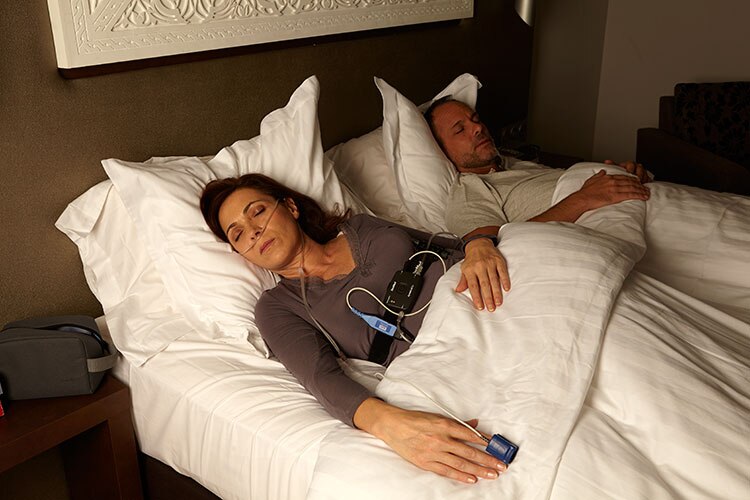
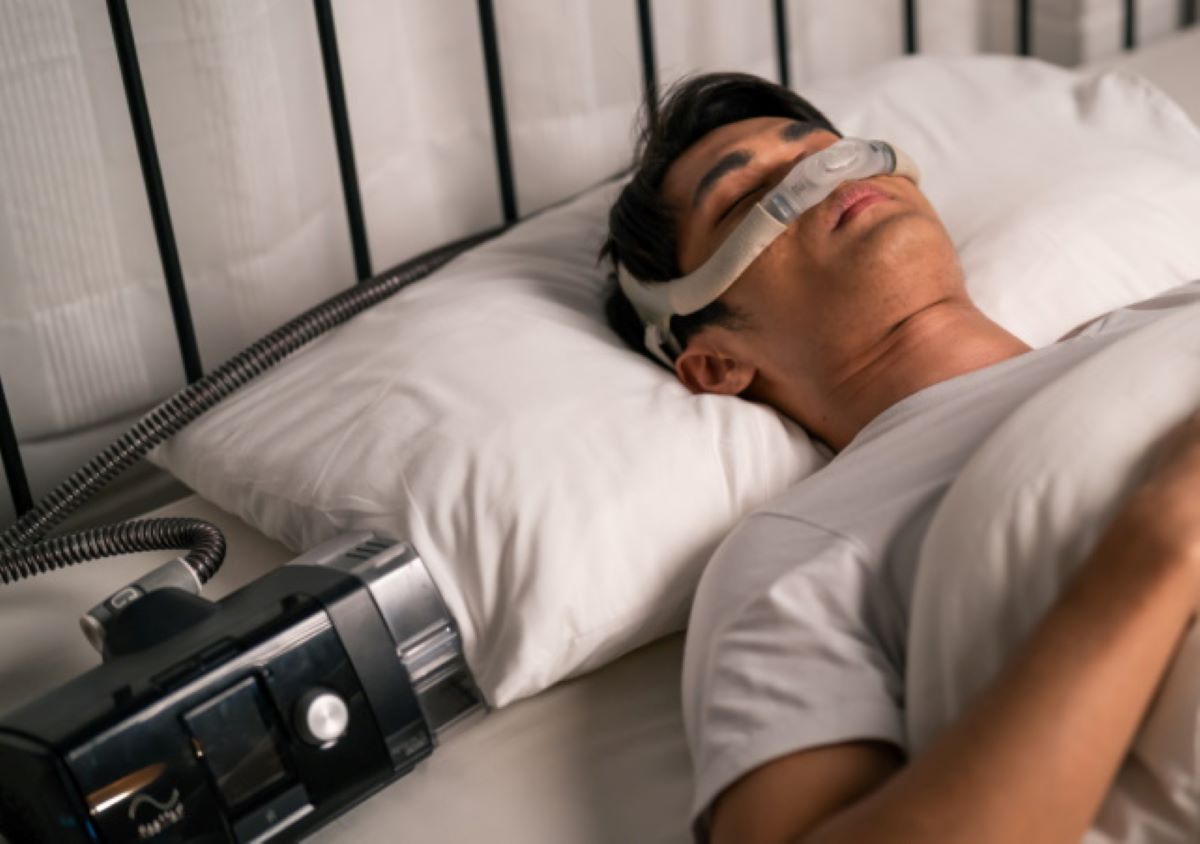
A home sleep study Sydney is an overnight test done in someone’s own bed using a small, portable monitoring device. It is mainly used to assess breathing-related sleep disorders, especially obstructive sleep apnoea (OSA).

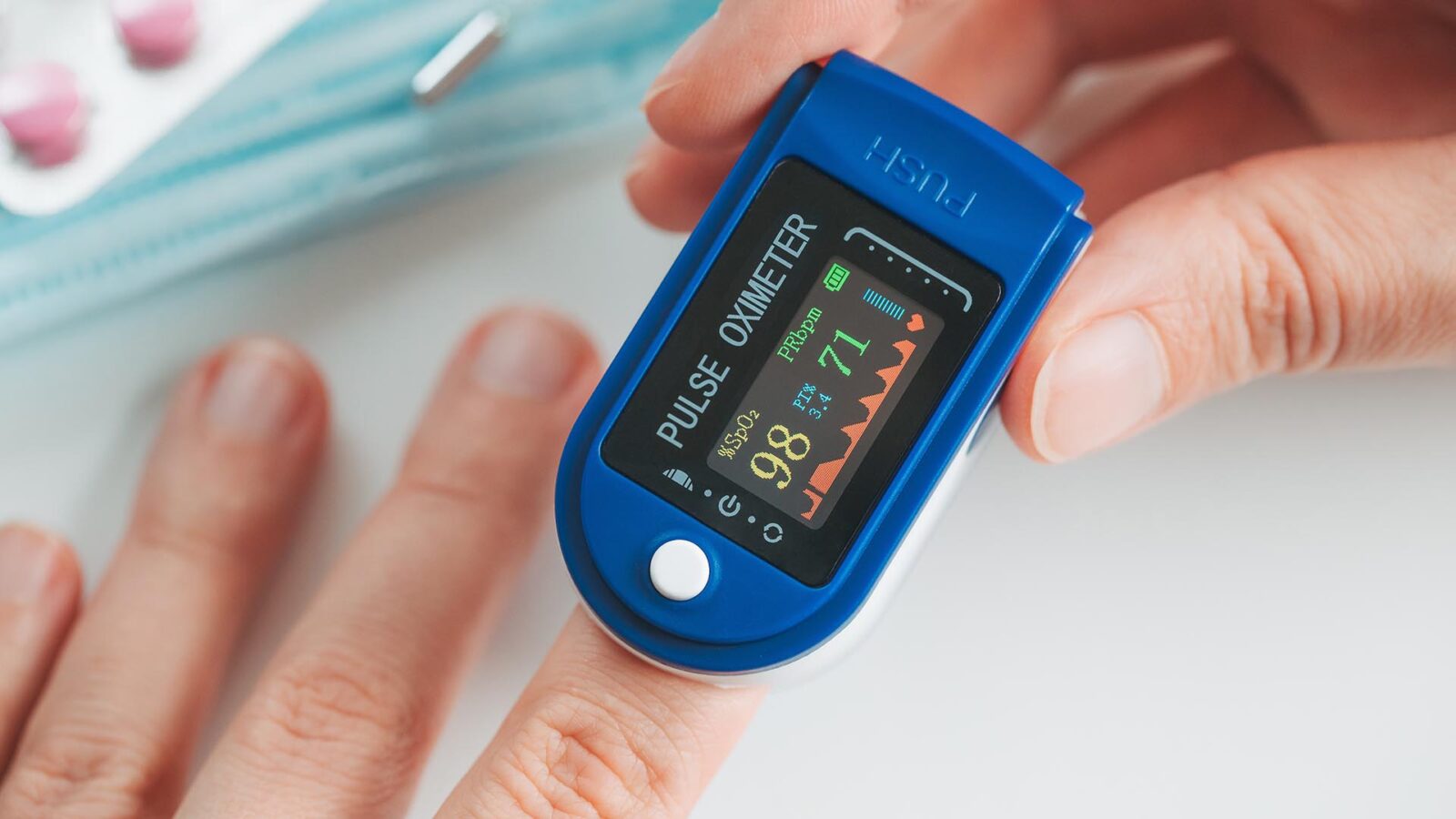
Most home studies track airflow, oxygen levels, breathing effort, heart rate, and body position. The results help clinicians estimate how often breathing reduces or stops during sleep and whether oxygen drops into an unsafe range.

Who in Sydney should consider a home sleep study?

They should consider it if symptoms suggest sleep apnoea or another breathing-related sleep disorder. Common triggers include loud snoring, witnessed pauses in breathing, gasping, morning headaches, and persistent daytime sleepiness.

It is also commonly considered for people with high blood pressure, type 2 diabetes, atrial fibrillation, or weight gain where sleep apnoea could be contributing. If their job involves driving, machinery, or safety-critical work, testing can be particularly important.

How fast can they get tested and receive results?

Many providers in Sydney can organise home sleep testing within days, sometimes even same week, depending on referrals and device availability. Because it avoids lab scheduling, it is often quicker than an in-clinic study.

Results time varies by clinic workflow. Some services provide a report within a few business days after the device is returned, while others may take longer if a specialist review and appointment are needed.

What happens during the test at home?

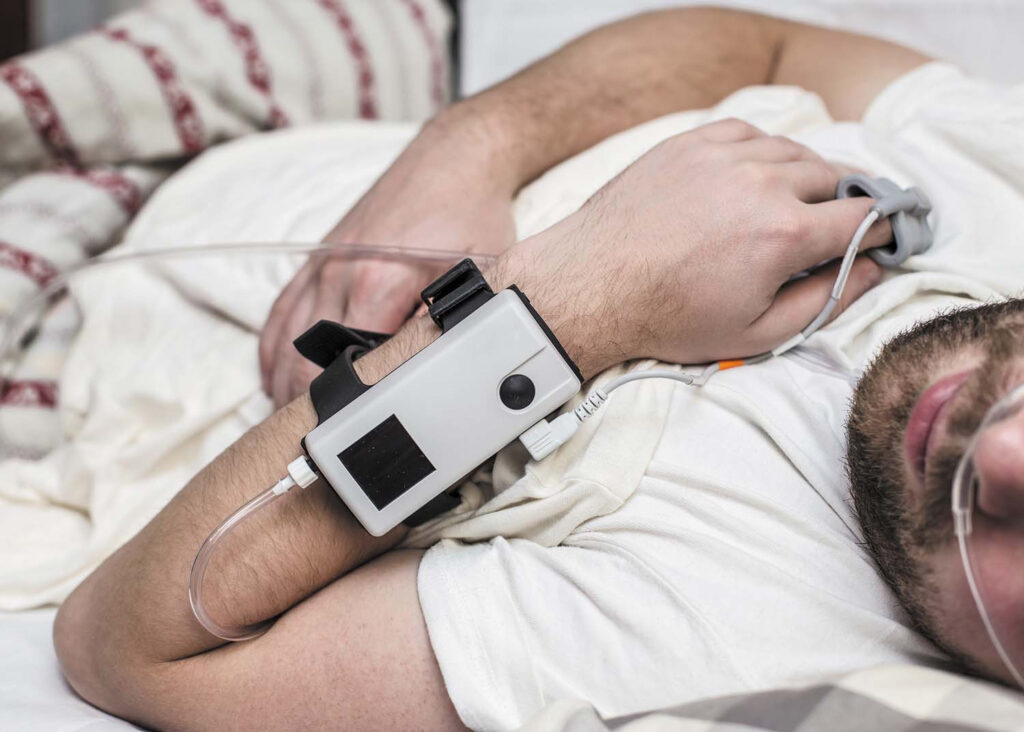
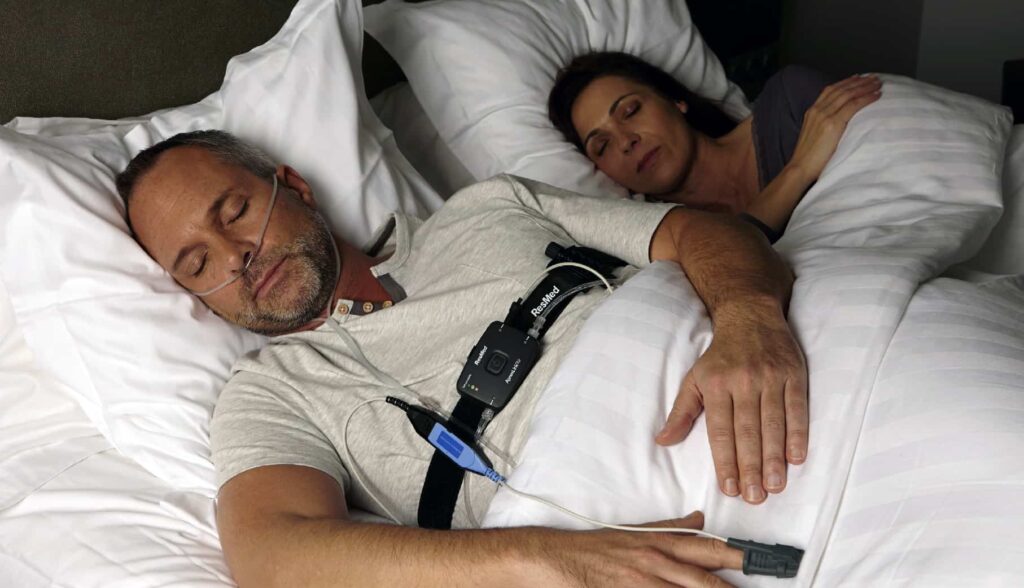
They are typically shown how to apply the sensors or given written and video instructions. The setup is designed to be simple; then they sleep as normally as possible while the device records data.

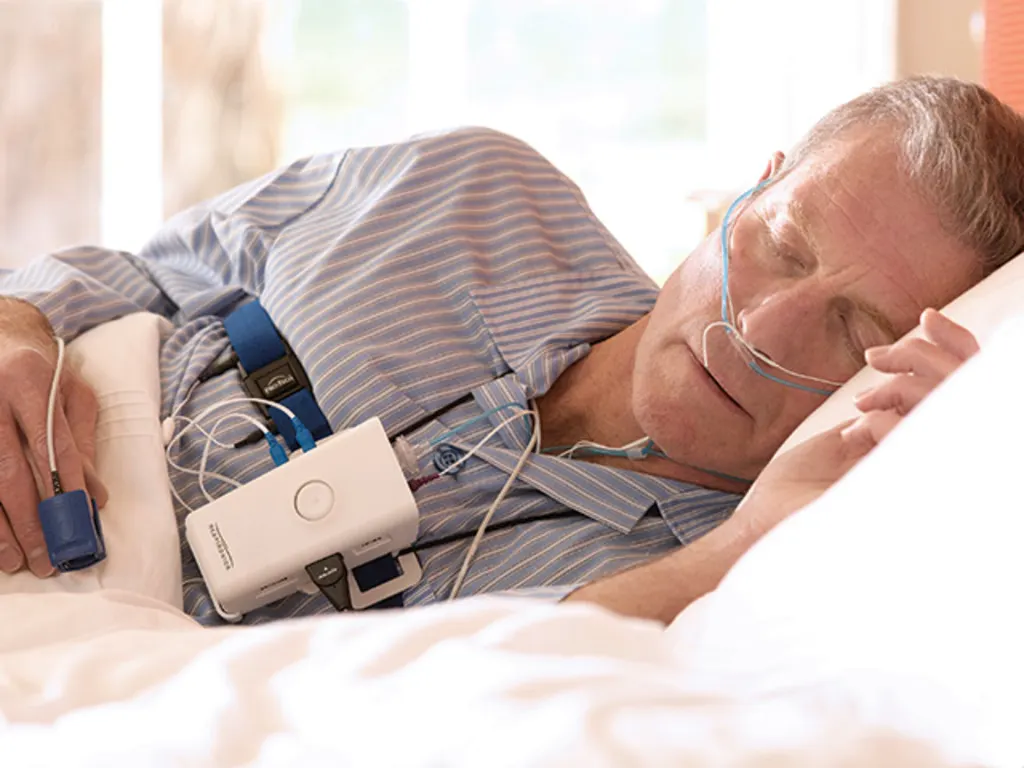
In most cases, they will wear a finger probe for oxygen, a nasal cannula for airflow, and a chest or abdomen belt for breathing effort. In the morning, the device is removed and returned for analysis.

Is a home sleep study accurate enough compared with a sleep lab?

For suspected obstructive sleep apnoea in adults, home sleep studies can be highly useful and clinically accepted. They are especially effective when the likelihood of moderate to severe OSA is high and symptoms are clear.

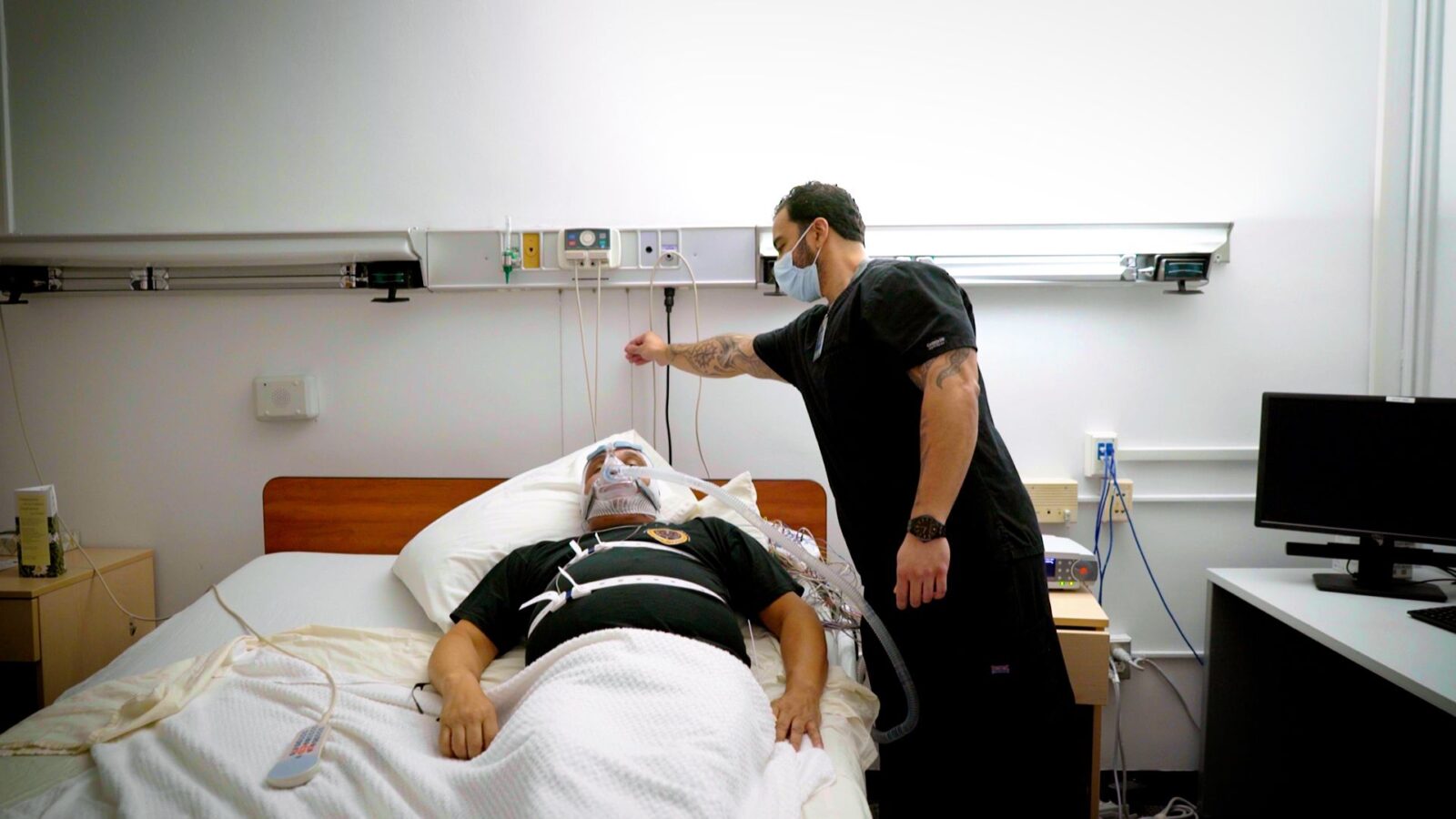
A sleep lab may still be preferred when the diagnosis is uncertain or when other conditions are suspected, such as complex insomnia, parasomnias, narcolepsy, or certain neurological or heart-related sleep issues. If the home test is negative but symptoms are strong, clinicians may recommend further testing.

What makes home testing more comfortable?

They can sleep in their own bed, follow their usual routine, and avoid the stress of an unfamiliar environment. For many people, that alone improves sleep quality on the test night.

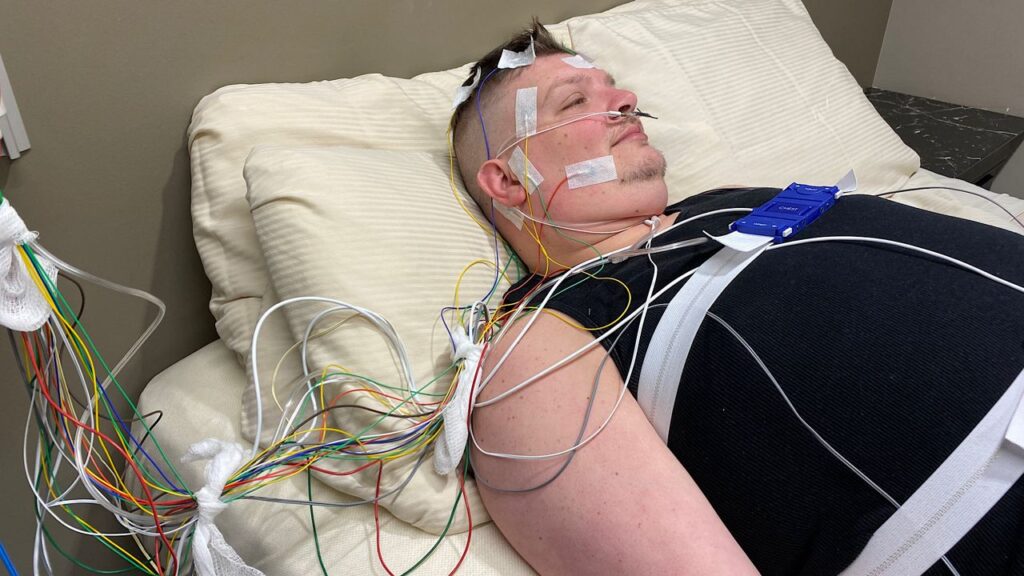
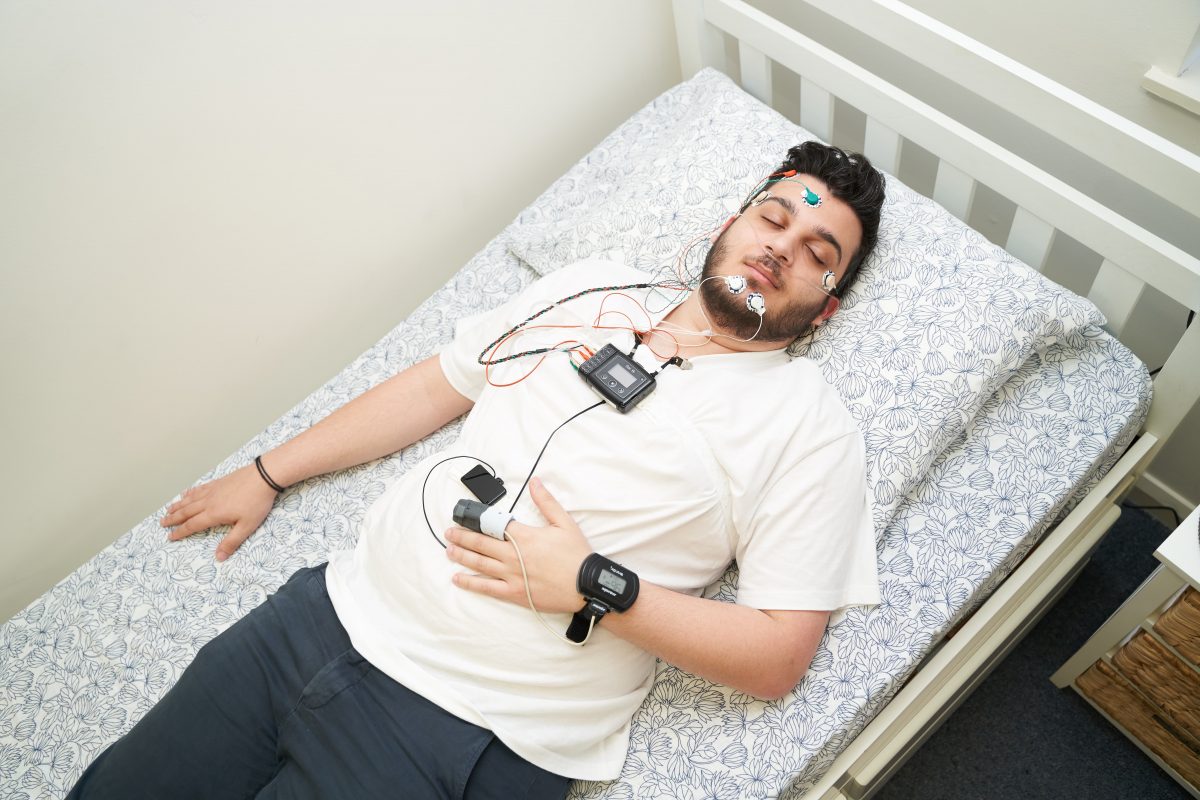
Home testing can also feel less intrusive. While sensors are still worn, there are fewer wires than a full laboratory polysomnography, and there is no need to travel at night or arrange overnight supervision.

How do they prepare for a home sleep study night?

They should aim for a typical night so the results reflect normal sleep. That usually means following their usual bedtime and avoiding major schedule changes.

Clinics commonly advise limiting alcohol, avoiding naps late in the day, and keeping caffeine earlier than usual. They should also confirm with the provider whether regular medications should be taken as normal, as stopping medicines without guidance can be unsafe.

What do the results actually show, and what do they mean?

The report usually includes an index of breathing events per hour, oxygen saturation trends, and snoring or position effects if measured. This helps estimate severity and guide next steps.

If obstructive sleep apnoea is found, the results may be described as mild, moderate, or severe. Clinicians also look at oxygen lows and total time spent below certain oxygen thresholds, as that can influence urgency and treatment decisions.

What are the common next steps after a positive test?

If the test indicates sleep apnoea, they are usually offered a treatment plan based on severity, symptoms, and health risks. Many people are assessed for CPAP therapy, which keeps the airway open with gentle air pressure.

Other options may include a mandibular advancement splint fitted by a qualified dental sleep provider, positional therapy for back-sleeping apnoea, weight and lifestyle support, and management of nasal obstruction. Follow-up is important because comfort, mask fit, and adherence often determine success.
Home Sleep Study Sydney

How do they choose a home sleep study provider in Sydney?

They should choose a provider that offers clear clinical oversight, not just a device drop-off. A good service explains what the test can and cannot diagnose, how results are interpreted, and what support is available after the report.

It also helps to check practical details: turnaround time, whether a GP referral is required, how the device is collected or posted, and whether a consultation with a sleep physician is included. Transparent pricing and access to treatment pathways are often signs of a well-run service. Check out more about the need of sleep study referral in Australia.

What should they do if the home test is “normal” but symptoms continue?

They should not ignore ongoing symptoms, because a single night of data may not capture every issue. Some people sleep differently on the test night, and some sleep disorders are not well assessed by home studies.

If tiredness, choking sensations, or loud snoring persist, clinicians may recommend repeating the study, switching to a laboratory study, or investigating other causes such as insomnia, restless legs, medication effects, depression, thyroid issues, or chronic nasal blockage.

How can they make the test night more successful?

They should set the device up earlier in the evening so there is no rush at bedtime. A quick check that sensors are secure can prevent data loss and the need to repeat the study.

It also helps to keep the bedroom environment normal: comfortable temperature, usual pillow setup, and minimal disruptions. If they wake in the night, they should avoid removing sensors unless instructed, then try to return to sleep as usual.

What is the simplest takeaway for people considering home sleep testing in Sydney?

A home sleep study in Sydney is often the fastest, most comfortable way to check for obstructive sleep apnoea. It can move them from “something feels off” to a clear plan, without the delay and hassle of a sleep lab.

If symptoms are affecting daytime functioning or health, a home test is a practical next step, especially when paired with proper clinical review and follow-up care.

FAQs (Frequently Asked Questions)

What is a home sleep study and what conditions does it test for?

A home sleep study is an overnight test conducted in the comfort of your own bed using a small, portable monitoring device. It primarily assesses breathing-related sleep disorders, especially obstructive sleep apnoea (OSA), by tracking airflow, oxygen levels, breathing effort, heart rate, and body position to estimate how often breathing reduces or stops during sleep.

Who in Sydney should consider undergoing a home sleep study?

Individuals experiencing symptoms such as loud snoring, witnessed pauses in breathing, gasping at night, morning headaches, or persistent daytime tiredness should consider a home sleep study. It is also recommended for people with high blood pressure, type 2 diabetes, atrial fibrillation, weight gain potentially linked to sleep apnoea, or those in safety-critical jobs involving driving or machinery operation.

How quickly can I get tested and receive results from a home sleep study in Sydney?

Many providers in Sydney can arrange home sleep testing within days or even within the same week depending on referrals and device availability. Results are typically available within a few business days after returning the device; however, timing may vary if specialist review or appointments are required.

How accurate is a home sleep study compared to an in-lab sleep study?

Home sleep studies are highly useful and clinically accepted for diagnosing suspected obstructive sleep apnoea in adults, particularly when symptoms indicate moderate to severe OSA. However, for uncertain diagnoses or other complex conditions like insomnia or narcolepsy, an in-lab polysomnography may be preferred. If the home test is negative but symptoms persist strongly, further testing might be recommended.

What should I expect during the home sleep study night?

You will be guided on how to apply sensors such as a finger probe for oxygen levels, a nasal cannula for airflow, and a chest or abdomen belt for breathing effort. The setup is designed to be simple so you can sleep as normally as possible while the device records data overnight. In the morning, you remove the device and return it for analysis.

What are the next steps if my home sleep study indicates obstructive sleep apnoea?

If obstructive sleep apnoea is diagnosed, your healthcare provider will offer a treatment plan based on severity and health risks. Common treatments include CPAP therapy to keep airways open with gentle air pressure. Other options may involve mandibular advancement splints from dental specialists, positional …

Continue Reading →

Do You Need a Sleep Study Referral in Australia?

The right route depends on what they are trying to achieve: fast access, lowest out-of-pocket cost, specialist oversight, or a particular test type.

Do they always need a referral for a sleep study in Australia?

A sleep study referral is not always required. Many private providers accept self-referrals for home sleep tests and, in some cases, in-clinic studies.

However, a referral is typically needed if they are seeking Medicare rebates, booking an appointment with a specialist sleep physician, or accessing a public hospital sleep service. Requirements vary between clinics, so it’s important to check the provider’s booking policies before assuming they can proceed without seeing a GP.

Can they book a home sleep test without seeing a GP first?

Yes, many Australians can book a home sleep test directly with a private clinic. This is often the quickest path for people with straightforward symptoms like loud snoring, witnessed pauses in breathing, or excessive daytime sleepiness.

That said, a GP visit can still be useful if they have other medical issues, take sedating medicines, or have safety-sensitive work. Some providers may also require a short health screening first.

When is a GP referral effectively necessary?

A GP referral is effectively necessary when cost and care pathways matter. If they want Medicare benefits, a referral is usually part of the process, and it may determine whether they see a specialist or go straight to testing.

A referral is also commonly needed if they are being managed through a public hospital, have complex symptoms, or need coordination with other care. For many, the GP is the safest “gatekeeper” even when self-referral is possible.

Does Medicare require a referral for rebates on sleep studies?

Often, yes. Medicare eligibility can depend on the type of test, the provider, and whether the service is arranged under the right clinical pathway, which commonly includes a GP referral and, in some cases, specialist involvement.

Because Medicare rules and item numbers can be applied differently by different services, they should ask the clinic directly what is required for rebates and what paperwork is needed. If they are cost-sensitive, they should confirm expected out-of-pocket fees in writing.

Do private health insurers require a referral?

Sometimes. Private health insurers may ask for a referral for in-hospital sleep studies or when a specialist consultation is billed under hospital cover.

Policies vary widely, including waiting periods and exclusions. They should check their level of cover, whether the clinic is considered in-hospital or outpatient, and whether pre-approval is required. Getting this wrong can turn a “covered” test into a large out-of-pocket bill.

What symptoms should prompt them to ask for a referral?

They should consider asking for a referral if symptoms are persistent, worsening, or safety-related. Common reasons include loud snoring, gasping or choking during sleep, witnessed breathing pauses, morning headaches, and severe daytime sleepiness.

They should also seek medical input sooner if they have high blood pressure, atrial fibrillation, type 2 diabetes, obesity, or depression, as sleep apnoea can overlap with these. If they have nodded off while driving, they should treat it as urgent.

Is a referral more important for in-lab sleep studies than home tests?

Yes, usually. Home sleep tests are frequently available via self-referral in the private system, but in-lab studies are more often tied to specialist assessment, hospital settings, or more complex clinical questions.

In-lab testing may be recommended when home testing is inconclusive, when other sleep disorders are suspected, or when they have conditions that complicate breathing during sleep. A referral helps ensure the right test is chosen first time.

Can they go straight to a sleep specialist without a GP referral?

They can, but it may limit NHS benefits. Many specialists prefer or require a GP referral because it provides medical background, clarifies the reason for review, and supports rebate-eligible billing.

If they self-refer to a specialist clinic, they should ask whether they can still obtain a GP referral dated appropriately for NHS purposes. They should also ask what documents help, such as medication lists, past test results, and partner observations.

What should they expect their GP to do before referring them?

A GP will usually take a sleep history, ask about snoring and breathing pauses, review daytime symptoms, and assess risk factors. They may use screening tools and check blood pressure, weight, neck circumference, and relevant medical history.

They may also rule out other causes of fatigue, such as iron deficiency, thyroid issues, mood disorders, or medication effects. Then they can refer for a sleep study, a sleep physician, or both, depending on the likely diagnosis.

See Also : Home Sleep Study Sydney: Fast and Comfortable Testing Options

What happens if they do a sleep study without a referral?

They can still get useful results, especially if the provider includes clinical review. Many private services will generate a report and recommend next steps.

The main trade-offs are usually financial and continuity of care. They may pay more out of pocket, and their GP may need the report to coordinate treatment. They should ensure the provider shares results with their GP if they want ongoing management and safe follow-up.

Sleep Study Referral

How can they choose the right referral pathway for their situation?

They should match the pathway to their priorities. If speed matters and symptoms are classic for obstructive sleep apnoea, a reputable home sleep test via a private clinic may be sufficient.

If they want NHS support, have complex health problems, or suspect something beyond snoring and apnoea, starting with a GP referral is often the better choice. When in doubt, they should ask three practical questions: total cost, who interprets the study, and who provides follow-up treatment.

What is the simplest answer most Australians need?

Most Australians do not need a referral to book a private home sleep test, but they often need a GP referral to access NHS rebates, public services, or specialist-led pathways. If they want the lowest-risk, most coordinated route, they should start with their GP and take the referral option even if self-referral is available.

FAQs (Frequently Asked Questions)

Do Australians always need a GP referral to book a sleep study?

No, Australians do not always need a GP referral to book a sleep study. Many private sleep clinics accept self-referrals for home sleep tests and some in-clinic studies. However, a GP referral is usually required to access Medicare rebates, specialist sleep physician appointments, or public hospital services.

Can I book a home sleep test directly without seeing my GP first?

Yes, many Australians can book a home sleep test directly with private clinics, especially if they have straightforward symptoms such as loud snoring, witnessed breathing pauses, or excessive daytime sleepiness. Nevertheless, visiting a GP can be beneficial if you have other medical conditions, take sedating medications, or perform safety-sensitive work.

When is a GP referral necessary for a sleep study in Australia?

A GP referral is effectively necessary when cost and care pathways matter. If you want Medicare benefits or are being managed through public hospital services, require specialist oversight, or have complex symptoms needing coordinated care, a GP referral is essential. It also helps ensure the appropriate testing and follow-up treatment.

Does Medicare require a GP referral to provide rebates for sleep studies?

Often, yes. Medicare rebates for sleep studies typically depend on having the service arranged under the correct clinical pathway, which commonly includes a GP referral and sometimes specialist involvement. Requirements can vary by provider and test type; therefore, it’s important to confirm with the clinic beforehand.

Do private health insurers require referrals for sleep studies?

Sometimes. Private health insurers may require referrals for in-hospital sleep studies or specialist consultations billed under hospital cover. Policies vary widely regarding waiting periods and exclusions. It’s crucial to check your specific insurance coverage and whether pre-approval or referrals are needed to avoid unexpected out-of-pocket costs.

What symptoms should prompt me to seek a GP referral for a sleep study?

You should consider seeking a GP referral if you experience persistent or worsening symptoms such as loud snoring, gasping or choking during sleep, witnessed breathing pauses, morning headaches, severe daytime sleepiness, or if you have related health issues like high blood pressure, atrial fibrillation, type 2 diabetes, obesity, or depression. If you’ve nodded off while driving, seek urgent medical advice.

Continue Reading →

Sleep Study Cost Australia: Understanding the Expenses Nationwide

Sleep studies are an essential diagnostic tool used to evaluate and diagnose various sleep disorders. However, many individuals are often hesitant to pursue a sleep study due to concerns about the cost involved. In this article, we will delve into the various factors that influence the cost of sleep studies in Australia and explore the average expenses across the nation. Additionally, we will discuss how to prepare for a sleep study and interpret the results, ensuring you are well-informed before undergoing this important procedure.

Understanding Sleep Studies

Sleep studies, also known as polysomnography, are non-invasive tests that monitor your brain activity, heart rate, breathing patterns, and other physiological functions while you sleep. These tests help sleep specialists diagnose sleep disorders such as sleep apnea, insomnia, narcolepsy, and restless leg syndrome, among others. By analyzing the data collected during the sleep study, healthcare professionals can provide accurate diagnoses and develop appropriate treatment plans.

When considering the Sleep Study Cost Australia, one must also take into account the expertise and experience of the healthcare professionals conducting the study. Sleep studies are often overseen by sleep specialists or pulmonologists with specific training in sleep disorders. The level of expertise and the reputation of the healthcare facility can influence the overall cost of the study.

What is a Sleep Study?

A sleep study typically involves spending a night in a sleep laboratory under the supervision of professionals. Electrodes are placed on specific areas of your body to monitor brain waves, eye movements, muscle activity, and heart rhythm. Additionally, sensors record your breathing patterns, oxygen levels, and snoring intensity. This comprehensive data allows sleep specialists to evaluate the quality and quantity of your sleep, identify issues, and recommend treatment options.

Importance of Sleep Studies

Sleep disorders can significantly impact your quality of life and overall health. Left undiagnosed and untreated, sleep disorders can lead to serious health complications such as cardiovascular diseases, obesity, diabetes, and even mental health disorders. Sleep studies are crucial in identifying the root cause of your sleep problems, enabling healthcare professionals to develop personalized treatment plans tailored to your specific needs.

During a sleep study, the sleep laboratory is designed to create a comfortable and relaxing environment that mimics a typical bedroom. The room is dimly lit, with a cozy bed and soothing decor to help you feel at ease. The sleep technicians who monitor your sleep are highly trained professionals who ensure your safety and comfort throughout the night.

Once you are settled in the sleep laboratory, the electrodes and sensors are carefully placed on your body. The process is painless and non-invasive, with the electrodes securely attached using a mild adhesive. The sensors are connected to monitoring equipment that records and analyzes the data in real-time, providing valuable insights into your sleep patterns.

After the sleep study is complete, the collected data is thoroughly analyzed by sleep specialists. They meticulously review the information to identify any abnormalities or disruptions in your sleep. This analysis includes examining the duration and quality of each sleep stage, the presence of any breathing or movement disorders, and any other factors that may be affecting your sleep.

Based on the findings of the sleep study, sleep specialists can then develop a personalized treatment plan tailored to your specific needs. This may involve lifestyle modifications, such as improving sleep hygiene or making changes to your sleep environment. In some cases, medical interventions such as continuous positive airway pressure (CPAP) therapy or medication may be recommended to address underlying sleep disorders.

Overall, sleep studies play a crucial role in understanding and managing sleep disorders. By providing detailed information about your sleep patterns and physiological functions, these tests empower healthcare professionals to accurately diagnose sleep disorders and develop effective treatment strategies. So, if you are experiencing sleep problems, don’t hesitate to consult a sleep specialist and consider undergoing a sleep study for a better night’s rest and improved overall well-being.

sleeping women

Factors Influencing the Cost of Sleep Studies in Australia

The cost of sleep studies can vary depending on several factors. It’s important to understand these factors to have a better idea of the expenses involved. Find more about sleep study Geelong: assessing sleep health in Victoria visit https://resp-o-rator.com/sleep-study-geelong-assessing-sleep-health-in-victoria/

Type of Sleep Study

There are different types of sleep studies, ranging from basic overnight studies to more complex multiple-night studies that evaluate specific conditions. The type and complexity of the study required for your case can influence the overall cost.

In some cases, specialized sleep studies may be necessary to diagnose rare or complex sleep disorders. These studies may involve advanced monitoring equipment and specialized techniques, which can contribute to higher costs compared to standard overnight studies.

Location and Facilities

Geographical location plays a role in sleep study costs. Major cities generally have a higher cost of living, which can reflect in the expenses associated with sleep studies. Additionally, the quality and facilities offered by the sleep centers can also impact the overall cost.

State-of-the-art sleep centers equipped with the latest technology for monitoring and diagnosing sleep disorders may charge higher fees due to the investments in advanced equipment and facilities. These centers often provide a more comprehensive evaluation of sleep patterns and disorders, leading to a more accurate diagnosis and tailored treatment plan.

Insurance and Medicare Coverage

Insurance coverage and Medicare benefits can significantly reduce the financial burden of sleep studies. It is essential to check with your insurance provider or Medicare for coverage details and reimbursement options before proceeding with a sleep study. Find more about insurance and medicare coverage visit at https://www.medicare.gov/what-medicare-covers/your-medicare-coverage-choices/whats-medicare

Some insurance plans may require pre-authorization for sleep studies, while others may have specific criteria that need to be met for coverage. Understanding your insurance benefits and out-of-pocket expenses can help you plan for the financial aspect of undergoing a sleep study.

sleep study

Average Cost of Sleep Studies Across Australia

The cost of sleep studies varies across different regions in Australia. Generally, sleep studies in major cities tend to be more expensive compared to rural areas due to the higher cost of living. However, it is important to note that individual sleep centers may have their own pricing structures and variations.

When considering the cost of a sleep study, it’s essential to understand the factors that contribute to the overall price. These factors may include the type of sleep study being conducted, the credentials of the healthcare professionals overseeing the study, the duration of the study, and any additional services provided during the process.

Cost in Major Cities

In major cities such as Sydney, Melbourne, and Brisbane, the average cost of a sleep study can range from $1000 to $2500. The price may include professional fees, equipment usage, and the interpretation of sleep study results.

Furthermore, in major cities, patients may have access to state-of-the-art sleep centers that offer advanced technologies and specialized care. These facilities may have higher overhead costs, which can contribute to the overall price of the sleep study.

Cost in Rural Areas

Rural areas often have sleep centers that offer more affordable options. The average cost of a sleep study in these areas typically ranges from $500 to $1500. It is important to research and compare different sleep centers to find an option that fits your budget without compromising quality.

Additionally, some rural areas may have sleep centers that focus on specific sleep disorders or offer unique treatment approaches. Patients in these regions may benefit from personalized care that addresses their individual needs, potentially leading to more effective outcomes.

How to Prepare for a Sleep Study

Before undergoing a sleep study, it is crucial to be well-prepared. Follow these guidelines to ensure a successful experience:

Preparing for a sleep study involves more than just showing up at the sleep center. It’s essential to mentally prepare yourself for the experience as well. Try to relax and clear your mind before the study to ensure a more accurate representation of your typical sleep patterns. Engaging in calming activities such as reading a book or listening to soothing music can help set the right tone for a restful night’s sleep during the study.

Pre-Study Checklist

  • Follow any specific instructions provided by your healthcare provider, such as avoiding stimulants like caffeine and maintaining a regular sleep schedule.
  • Pack comfortable sleepwear and personal items that will help you relax during the study.
  • Inform the sleep center about any medications or health conditions you have.
  • Arrange transportation to and from the sleep center, as you will not be able to drive immediately after the study.

Additionally, it’s beneficial to keep a sleep diary leading up to the study. Note down your bedtime routines, any disturbances during the night, and how you feel upon waking. This information can provide valuable insights to the sleep technician conducting the study.

What to Expect During the Study

Upon arriving at the sleep center, a sleep technician will explain the procedure and attach the necessary sensors to your body. The technician will monitor your sleep throughout the night …

Continue Reading →

Sleep Study Geelong: Assessing Sleep Health in Victoria

In recent years, there has been a growing recognition of the importance of sleep health and its impact on overall well-being. As a result, sleep studies have become instrumental in understanding and addressing sleep disorders. Geelong, a vibrant city in Victoria, Australia, has made significant strides in assessing and promoting sleep health. Let’s take a closer look at the significance of sleep health, the process of a sleep study, the state of sleep health in Geelong, and strategies for improving sleep health.

Understanding the Importance of Sleep Health

Sleep is not just a state of rest; it is a vital physiological process that plays a crucial role in maintaining overall health. Adequate sleep is essential for physical and mental well-being, cognitive function, immune system regulation, and emotional balance. However, sleep deprivation and sleep disorders can have detrimental effects on various aspects of our lives.

When we study Sleep Study Geelong came to know that our bodies undergo essential processes that help repair tissues, synthesize proteins, and release growth hormones. This is why quality sleep is often referred to as “beauty sleep,” as it contributes to healthy skin, hair, and overall physical appearance. Furthermore, during deep sleep stages, the brain clears out toxins that accumulate during waking hours, promoting neurological health and cognitive function.

The Role of Sleep in Overall Health

Adequate sleep promotes healthy brain function and memory consolidation. Moreover, it helps regulate hormones that affect appetite and metabolism, contributing to healthy weight management. Additionally, quality sleep is essential for maintaining a strong immune system, reducing the risk of chronic diseases such as heart disease, diabetes, and obesity.

Furthermore, sleep plays a crucial role in emotional regulation and mental health. Lack of sleep can lead to mood swings, increased stress levels, and a higher likelihood of developing anxiety and depression. On the other hand, sufficient and restful sleep can enhance emotional resilience, improve problem-solving skills, and foster creativity.

Common Sleep Disorders and Their Impact

Several sleep disorders can negatively impact sleep quality, quantity, and continuity. Some common sleep disorders include insomnia, sleep apnea, restless legs syndrome, and narcolepsy. These disorders can cause daytime sleepiness, fatigue, irritability, and decreased productivity. Diagnosing and treating these disorders is crucial for improving overall sleep health.

It is important to address any underlying issues that may be disrupting your sleep, whether they are physical, psychological, or environmental. Creating a relaxing bedtime routine, optimizing your sleep environment, and seeking professional help when needed can significantly improve your sleep quality and overall well-being.

sleep-apnea-patients

The Process of a Sleep Study

A sleep study, also known as polysomnography, is a crucial diagnostic tool used to measure various physiological parameters during sleep. By conducting a sleep study, healthcare providers can gain valuable insights into a person’s sleep patterns and identify potential sleep disorders that may be affecting their quality of rest. This comprehensive evaluation is typically carried out during an overnight stay at a specialized sleep clinic, where an array of data is meticulously collected. Find more about Sleep Study Cost Australia: Understanding the Expenses Nationwide visit https://resp-o-rator.com/sleep-study-cost-australia-understanding-the-expenses-nationwid/

The process of a sleep study can be broken down into two main stages: preparation and data collection. During the preparation phase, individuals scheduled for a sleep study will receive detailed instructions from healthcare providers to ensure they are well-informed and comfortable with the procedure. This preparatory phase helps alleviate any concerns or uncertainties that individuals may have about the process, allowing them to approach the study with confidence.

What to Expect During a Sleep Study

Upon arrival at the sleep clinic, individuals undergoing a sleep study can expect a series of electrodes to be strategically placed on their scalp, face, chest, and legs. These electrodes play a crucial role in recording essential physiological data such as brain waves, eye movements, muscle activity, heart rate, and oxygen levels throughout the night. Once the electrodes are in place, individuals will be settled into a private room within the clinic, designed to resemble a cozy bedroom environment where they can relax and sleep naturally.

During the night, the collected data provides sleep specialists with a wealth of information to analyze. By examining the intricacies of sleep architecture, breathing patterns, and movements recorded during the study, healthcare professionals can identify any irregularities or potential sleep disorders that may be impacting an individual’s rest. This detailed analysis is instrumental in formulating personalized treatment plans tailored to address specific sleep-related issues and improve overall sleep quality.

Interpreting Sleep Study Results

Following the completion of the sleep study, the collected data is meticulously reviewed and interpreted by experienced sleep specialists. These experts carefully scrutinize the information gathered during the study to identify patterns, anomalies, and potential indicators of sleep disorders. By delving into the nuances of the data, healthcare professionals can make informed diagnoses and recommendations for further treatment or intervention, as needed. The insights gleaned from the sleep study play a pivotal role in guiding healthcare providers towards effective solutions that aim to optimize an individual’s sleep health and overall well-being.

Best-Sleep-Positions

Sleep Health in Geelong: A Closer Look

Geelong, known for its beautiful beaches and thriving community, is also home to a diverse population with varying sleep health needs. Understanding the prevalence of sleep disorders in Geelong is crucial for identifying areas that require intervention and providing appropriate resources for residents.

Geelong’s unique geographical location, nestled between the stunning coastline and picturesque countryside, offers a tranquil environment that should ideally promote restful sleep. However, factors such as urbanization, noise pollution, and lifestyle choices can impact the quality of sleep for many residents in the region. Exploring the intersection between environmental influences and sleep health is essential for developing tailored interventions to improve overall well-being.

Sleep Disorders Prevalence in Geelong

A recent study conducted in Geelong found that approximately 20% of adults experience regular sleep disruptions, with insomnia being the most common sleep disorder. Sleep apnea, restless legs syndrome, and shift work sleep disorder were also prevalent. These statistics highlight the need to address sleep disorders across the region. Learn more about sleep disorders prevalence in Geelong visit at https://pubmed.ncbi.nlm.nih.gov/34825268/

Furthermore, research indicates a correlation between socio-economic factors and sleep health outcomes in Geelong. Individuals facing financial stress or unstable employment may be more susceptible to sleep disorders due to heightened levels of stress and anxiety. Understanding the social determinants of sleep health is crucial for implementing holistic strategies that address the root causes of sleep disturbances in the community.

Available Sleep Health Resources in Geelong

In response to the growing importance of sleep health, Geelong has developed a range of resources and support systems. Sleep clinics equipped with state-of-the-art facilities provide diagnosis and treatment for various sleep disorders. Additionally, educational programs and workshops are available to raise awareness about the importance of sleep and provide practical tips for better sleep hygiene.

Collaborations between local healthcare providers, community organizations, and academic institutions have led to innovative approaches in promoting sleep health in Geelong. By fostering a multidisciplinary approach that integrates medical expertise, behavioral interventions, and community engagement, Geelong is paving the way for comprehensive and sustainable solutions to improve the sleep quality of its residents.

Improving Sleep Health: Tips and Strategies

For individuals looking to improve their sleep health, there are various lifestyle changes and medical interventions that can help optimize sleep quality and quantity.

Quality sleep is essential for overall well-being, impacting cognitive function, mood regulation, and physical health. By prioritizing good sleep habits, individuals can enhance their productivity and quality of life.

Lifestyle Changes for Better Sleep

  • Establish a consistent sleep schedule by going to bed and waking up at the same time each day.
  • Create a relaxing bedtime routine to signal to your body that it’s time to wind down.
  • Ensure your sleep environment is comfortable, quiet, and conducive to sleep.
  • Avoid stimulating activities, caffeine, and electronic devices close to bedtime.

Additionally, incorporating regular exercise into your routine can promote better sleep. Physical activity helps regulate your circadian rhythm and can reduce symptoms of insomnia.

Medical Interventions for Sleep Disorders

In cases where sleep disorders persist despite lifestyle changes, medical interventions may be necessary. This can include therapies such as cognitive-behavioral therapy for insomnia (CBT-I), continuous positive airway pressure (CPAP) for sleep apnea, medications, and surgical interventions. Consulting a sleep specialist will help determine the most appropriate treatment option. Learn more about insomnia (CBT-I) click here.

It’s important to address any underlying medical conditions that may be contributing to sleep disturbances. Conditions such as anxiety, depression, and chronic pain can significantly impact sleep quality and may require targeted treatment approaches to improve overall sleep health.

The Future of Sleep Health in Victoria

As awareness about sleep health continues to grow, ongoing research and advancements are shaping the future of sleep medicine. Victoria, including Geelong, is at the forefront of these developments, working towards improving sleep health outcomes for its residents.

Ongoing Research and Developments

Researchers in Victoria are exploring innovative diagnostics and treatment approaches to address sleep disorders more effectively. They are …

Continue Reading →

Adelaide Sleep Test: Evaluating Your Sleep Patterns

We all know that a good night’s sleep is essential for our overall well-being, but have you ever wondered just how important sleep really is? In this article, we will explore the significance of sleep, the consequences of poor sleep, and delve into the science behind sleep patterns. We will also introduce you to the Adelaide Sleep Test and guide you through the process of evaluating your sleep patterns using this innovative test. Finally, we will discuss how to interpret the results of your sleep test and gain a deeper understanding of your sleep patterns.

Introduction to the Adelaide Sleep Test

The sleep study Adelaide is a comprehensive evaluation designed to assess and analyze your sleep patterns. It provides valuable insights into the quality and quantity of your sleep, helping identify potential sleep disorders and guiding personalized treatment plans. Let’s explore what the Adelaide Sleep Test entails and how it can benefit you.

Quality sleep is essential for overall health and well-being. The Adelaide Sleep Test plays a crucial role in evaluating your sleep health and addressing any issues that may be affecting your rest. By undergoing this test, you are taking a proactive step towards improving your sleep quality and overall quality of life. You can visit https://resp-o-rator.com/sleep-test-australia-assessing-your-sleep-health to get more about sleep test Australia.

What is the Adelaide Sleep Test?

The Adelaide Sleep Test is a non-invasive diagnostic procedure that monitors your sleep patterns using advanced technology. It involves wearing a small device overnight that records various physiological parameters such as brain waves, eye movements, heart rate, and breathing patterns. This data is then analyzed by sleep specialists to determine the quality and characteristics of your sleep.

During the test, you are encouraged to follow your regular bedtime routine to ensure that the data collected is representative of your typical sleep patterns. The device is comfortable to wear and does not interfere with your sleep, allowing for a natural and uninterrupted monitoring process.

The Purpose of the Adelaide Sleep Test

The primary goal of the Adelaide Sleep Test is to identify any underlying sleep disorders or abnormalities that may be impacting your sleep quality. By pinpointing the specific issues, healthcare professionals can develop tailored treatment plans to address your unique sleep needs. The test results also provide valuable information for monitoring the effectiveness of interventions and making necessary adjustments.

Furthermore, the Adelaide Sleep Test can help you gain a better understanding of your sleep habits and how they may be affecting your daily life. By uncovering potential sleep disorders, you can take proactive steps to improve your sleep hygiene and overall well-being. Investing in your sleep health through the Adelaide Sleep Test is an investment in your long-term health and quality of life.

Understanding the Importance of Sleep

Getting quality sleep is crucial for our physical and mental health. During sleep, our bodies undergo various restorative processes that help regulate important bodily functions. Adequate sleep promotes brain function, improves memory and learning, and supports emotional well-being. It also plays a vital role in maintaining a healthy immune system and promoting overall longevity.

Furthermore, sleep is essential for the consolidation of memories and the processing of information gathered throughout the day. While we sleep, our brains categorize and store newly acquired knowledge, making it easier for us to recall and utilize that information in the future. This cognitive function is crucial for learning and problem-solving skills.

The Role of Sleep in Health and Wellness

Sleep is not just a time of rest; it is a time of active healing and rejuvenation. When we sleep, our bodies repair damaged tissues, synthesize essential proteins, and produce hormones that regulate growth and appetite. Inadequate sleep can lead to a variety of health issues, including cardiovascular problems, obesity, diabetes, and mental health disorders like depression and anxiety.

Moreover, sleep plays a crucial role in regulating our metabolism and energy levels. Lack of sleep can disrupt the balance of hormones that control appetite, leading to increased cravings for unhealthy foods and potential weight gain. Additionally, inadequate sleep can weaken the body’s immune response, making us more susceptible to infections and illnesses.

Sleep Test

The Consequences of Poor Sleep

When we consistently fail to get enough quality sleep, it can have significant negative effects on our daily lives. Lack of sleep can impair cognitive function, decrease productivity, and negatively impact our mood and emotional well-being. It can also increase the risk of accidents and injuries due to decreased alertness and impaired judgment.

In addition, chronic sleep deprivation has been linked to an increased risk of developing chronic conditions such as heart disease, stroke, and type 2 diabetes. The cumulative effects of ongoing sleep deficiency can have long-term consequences on both our physical and mental health, highlighting the critical importance of prioritizing quality sleep in our daily routines.

The Science Behind Sleep Patterns

Understanding how sleep patterns work is essential for evaluating and improving our sleep quality. Sleep consists of different stages that collectively make up one sleep cycle. Each cycle typically lasts around 90 minutes, and throughout the night, we go through several cycles.

During sleep, our bodies undergo essential processes that help us rest and rejuvenate for the next day. It’s not just about closing our eyes and drifting off; our brains are actively working to regulate hormones, repair tissues, and consolidate memories. The intricate dance of neurotransmitters and neural pathways during sleep is a fascinating aspect of our body’s functioning.

The Sleep Cycle Explained

The sleep cycle consists of four stages: NREM (non-rapid eye movement) stages 1, 2, and 3, and REM (rapid eye movement) sleep. During NREM sleep, our body relaxes and prepares for deep sleep. As we progress through the stages, our brain waves slow down, and our body becomes increasingly relaxed. REM sleep, also known as dream sleep, is characterized by rapid eye movements and heightened brain activity.

Each stage of the sleep cycle plays a crucial role in ensuring that we wake up feeling refreshed and alert. NREM stages help with physical restoration, while REM sleep is essential for cognitive functions and emotional processing. The intricate interplay between these stages is what contributes to a restful night’s sleep.

How Sleep Patterns Affect Your Day

The quality and timing of our sleep patterns can significantly impact our daytime functioning. If our sleep is disrupted or inconsistent, we may experience excessive daytime sleepiness, difficulty concentrating, and decreased productivity. Understanding our sleep patterns can help identify potential sleep disorders and guide us towards better sleep habits.

Moreover, our circadian rhythm, often referred to as our internal body clock, plays a vital role in regulating our sleep-wake cycle. Disruptions to this rhythm, such as jet lag or shift work, can throw off our sleep patterns and lead to a host of health issues. By aligning our sleep schedule with our circadian rhythm, we can optimize our restorative sleep and overall well-being.

Sleep Test

The Process of the Adelaide Sleep Test

Before undergoing the Adelaide Sleep Test, it is essential to prepare properly and understand what to expect during the procedure. This section will guide you through the necessary steps to ensure a successful and accurate evaluation of your sleep patterns.

Preparing for the Test

Prior to the Adelaide Sleep Test, it is advisable to follow specific instructions provided by your healthcare provider. These may include avoiding caffeine and stimulants, refraining from napping, and abstaining from alcohol or heavy meals close to bedtime. It is also important to create a sleep-friendly environment, ensuring your bedroom is cool, dark, and quiet.

What to Expect During the Test

On the day of the Adelaide Sleep Test, you will be asked to arrive at a designated sleep clinic or facility. A trained technician will apply sensors and electrodes to various parts of your body, including your scalp, face, chest, and legs. These sensors are painlessly attached and are designed to monitor your sleep parameters throughout the night. Once the setup is complete, you can relax and try to maintain your usual sleep routine as much as possible.

Interpreting Your Adelaide Sleep Test Results

Once you have undergone the Adelaide Sleep Test, the collected data will be analyzed by sleep specialists. This section will provide you with an overview of how to interpret and understand the results of your sleep test, allowing you to gain valuable insights into your sleep patterns.

Understanding Your Sleep Test Report

Your sleep test report will provide a detailed analysis of various sleep parameters, including sleep latency, total sleep time, sleep efficiency, and the presence of specific sleep stages like REM and NREM sleep. Sleep specialists will interpret these parameters and identify any abnormalities or patterns that may suggest sleep disorders such as sleep apnea, insomnia, or restless legs syndrome.

The Meaning of Different Sleep Patterns

Each individual has a unique sleep pattern, and understanding the significance of various sleep stages can help make sense of your sleep test results. For example, an increased amount of REM sleep may indicate a potential medical condition, while …

Continue Reading →

Sleep Test Australia: Assessing Your Sleep Health

In our fast-paced modern lives, where stress and distractions abound, getting a good night’s sleep can often be a challenge. However, sleep plays a crucial role in our overall health, affecting our physical and mental well-being. This is where sleep tests come into play, offering a comprehensive assessment of your sleep health.

Improving Your Sleep Health

If your sleep study Australia reveals any issues or if you simply want to optimize your sleep health, there are steps you can take to improve your sleep quality.

Understanding the intricacies of sleep health involves delving into various aspects of your daily routine and environment. It’s not just about the number of hours you spend in bed but also the quality of sleep you experience. By exploring different strategies and techniques, you can enhance your overall well-being through improved sleep.

Lifestyle Changes for Better Sleep

Simple lifestyle adjustments can have a profound impact on your sleep health. Establishing a consistent sleep schedule, creating a relaxing bedtime routine, and creating a sleep-friendly environment can significantly improve your ability to fall asleep and stay asleep throughout the night.

Moreover, incorporating mindfulness practices such as meditation or gentle yoga before bedtime can help calm the mind and signal to your body that it’s time to unwind. These small yet powerful habits can pave the way for a more restful and rejuvenating night’s sleep.

See Also: These cleaning tips will help your CPAP machines last long

Medical Interventions for Sleep Disorders

In cases where sleep disorders are diagnosed, medical interventions may be necessary. Treatment options range from medication and therapy to continuous positive airway pressure (CPAP) machines for conditions like sleep apnea. Consulting with a sleep specialist can help determine the most appropriate treatment plan tailored to your specific needs.

Additionally, exploring alternative therapies such as acupuncture or cognitive behavioral therapy for insomnia can offer holistic approaches to addressing underlying issues contributing to sleep disturbances. It’s essential to consider a comprehensive approach to sleep health that encompasses both conventional and complementary treatments for optimal results.

By undergoing a sleep test, you gain valuable insights into your sleep health, allowing you to take proactive steps towards improving your overall well-being. Whether it’s making lifestyle changes or seeking medical interventions, the path to better sleep health begins with understanding your individual sleep patterns. So, step into the realm of sleep testing and embark on a journey towards a healthier and well-rested you.

Understanding the Importance of Sleep Health

It’s no secret that sleep is essential for our bodies to function optimally. Adequate sleep allows our bodies to rest, repair, and recharge, ensuring that we wake up refreshed and ready to tackle the day. But sleep health goes beyond mere restfulness – it impacts our cognitive functions, emotional stability, and even our immune system.

Sleep is a complex biological process that involves different stages, each serving a unique purpose. During the deep stages of sleep, the body repairs tissues, synthesizes proteins, and releases growth hormones crucial for development and immune function. Rapid Eye Movement (REM) sleep, on the other hand, plays a vital role in memory consolidation and emotional regulation. By understanding these intricate mechanisms, we can appreciate the profound impact of quality sleep on our overall well-being.

Sleep Test Australia

The Role of Sleep in Overall Health

Not getting enough sleep can lead to a variety of health problems. Chronic sleep deprivation has been linked to an increased risk of obesity, diabetes, cardiovascular disease, and mental health disorders. Furthermore, poor sleep quality can impair our memory, attention, and decision-making abilities, affecting our performance at work or school.

It’s essential to prioritize sleep hygiene practices to promote restorative sleep. Creating a consistent bedtime routine, optimizing your sleep environment, and avoiding stimulants like caffeine before bed can significantly enhance the quality of your sleep. By adopting these habits, you can support your body’s natural circadian rhythm and improve your overall sleep health.

Common Sleep Disorders in Australia

Australia has a significant prevalence of sleep disorders, with conditions like obstructive sleep apnea, insomnia, and restless leg syndrome affecting a significant portion of the population. These disorders disrupt the normal sleep patterns, leading to daytime fatigue, reduced productivity, and an overall decline in quality of life.

Seeking professional help for sleep disorders is crucial in managing symptoms and improving sleep quality. From continuous positive airway pressure (CPAP) therapy for sleep apnea to cognitive-behavioral therapy for insomnia, there are various effective treatments available. By addressing underlying sleep issues, individuals can experience profound improvements in their overall health and well-being.

The Science Behind Sleep Tests

Sleep tests, also known as polysomnography, are diagnostic tools that monitor and record various physiological parameters during sleep. This allows healthcare professionals to assess the quality and quantity of your sleep. Understanding how sleep tests work can help you make informed decisions about your sleep health.

Polysomnography involves the use of electrodes attached to different parts of your body to monitor brain waves, eye movements, muscle activity, heart rate, and breathing patterns. These electrodes are painlessly placed on your scalp, face, chest, and legs to gather comprehensive data while you sleep. The information collected provides valuable insights into your sleep patterns and any underlying sleep disorders.

The Mechanics of Sleep Stages

During sleep, our bodies go through different stages, each serving a specific purpose. These stages include NREM (non-rapid eye movement) sleep and REM (rapid eye movement) sleep. NREM sleep can be further divided into three stages, with each stage playing a distinct role in sleep restoration and maintenance.

NREM Stage 1 is the lightest stage of sleep, where you may drift in and out of consciousness. NREM Stage 2 is characterized by a decrease in body temperature and heart rate as your body prepares for deep sleep. NREM Stage 3, also known as slow-wave sleep, is the deepest stage where your body repairs tissues and strengthens the immune system. REM sleep, on the other hand, is when most dreaming occurs, and the brain consolidates memories and processes emotions.

How Sleep Tests Measure Sleep Quality

Sleep tests collect data on various parameters throughout the night, including brain activity, heart rate, oxygen levels, and breathing patterns. This data is then analyzed by sleep specialists to evaluate the quality of your sleep. Sleep efficiency, sleep latency, and the number of awakenings are some of the factors assessed to determine sleep quality.

By analyzing the data gathered during a sleep test, healthcare providers can identify sleep disorders such as sleep apnea, insomnia, narcolepsy, and restless legs syndrome. This information is crucial for developing personalized treatment plans to improve your sleep quality and overall well-being. Understanding the mechanics of sleep stages and how sleep tests measure sleep quality can empower you to take control of your sleep health and make informed decisions about your lifestyle and treatment options.

Sleep Test Australia

Types of Sleep Tests Available in Australia

Australia offers a variety of sleep tests to cater to individual preferences and requirements when it comes to assessing sleep quality and identifying potential sleep disorders. These tests play a crucial role in diagnosing and treating various sleep-related issues, ultimately improving overall health and well-being.

When considering sleep tests in Australia, individuals have the option of choosing between home sleep tests and in-lab sleep tests, each offering unique advantages and insights into their sleep health.

Home Sleep Tests

Home sleep tests have become increasingly popular among individuals who prioritize comfort and convenience. These tests involve wearing portable monitoring devices while sleeping in the familiar surroundings of one’s own bed. While home sleep tests may not provide the same level of comprehensive data as in-lab tests, they offer a practical and accessible way to monitor essential sleep parameters.

Furthermore, home sleep tests are particularly beneficial for individuals with busy schedules or those who may feel anxious in a clinical setting. By undergoing a sleep test at home, individuals can relax in a familiar environment, potentially leading to more accurate results that reflect their typical sleep patterns.

In-Lab Sleep Tests

In contrast, in-lab sleep tests offer a more immersive and detailed assessment of an individual’s sleep quality and patterns. Conducted in a specialized sleep center, these tests involve spending a night under the observation of sleep specialists and connected to various monitoring devices.

During an in-lab sleep test, experts can monitor a wide range of parameters, including brain activity, heart rate, breathing patterns, and movements during sleep. This comprehensive approach allows for the accurate diagnosis of conditions such as sleep apnea, insomnia, narcolepsy, and restless legs syndrome, among others.

Interpreting Your Sleep Test Results

Once your sleep test is complete, it’s important to understand how to interpret the results to gain insight into your sleep health.

After a sleep test, the data collected is analyzed to provide a detailed assessment of your sleep patterns and quality. This analysis involves evaluating various factors, including the duration and stages of your sleep, breathing patterns, and any disruptions during the night. By delving into these details, healthcare professionals can uncover underlying issues affecting your sleep.

Understanding

Continue Reading →